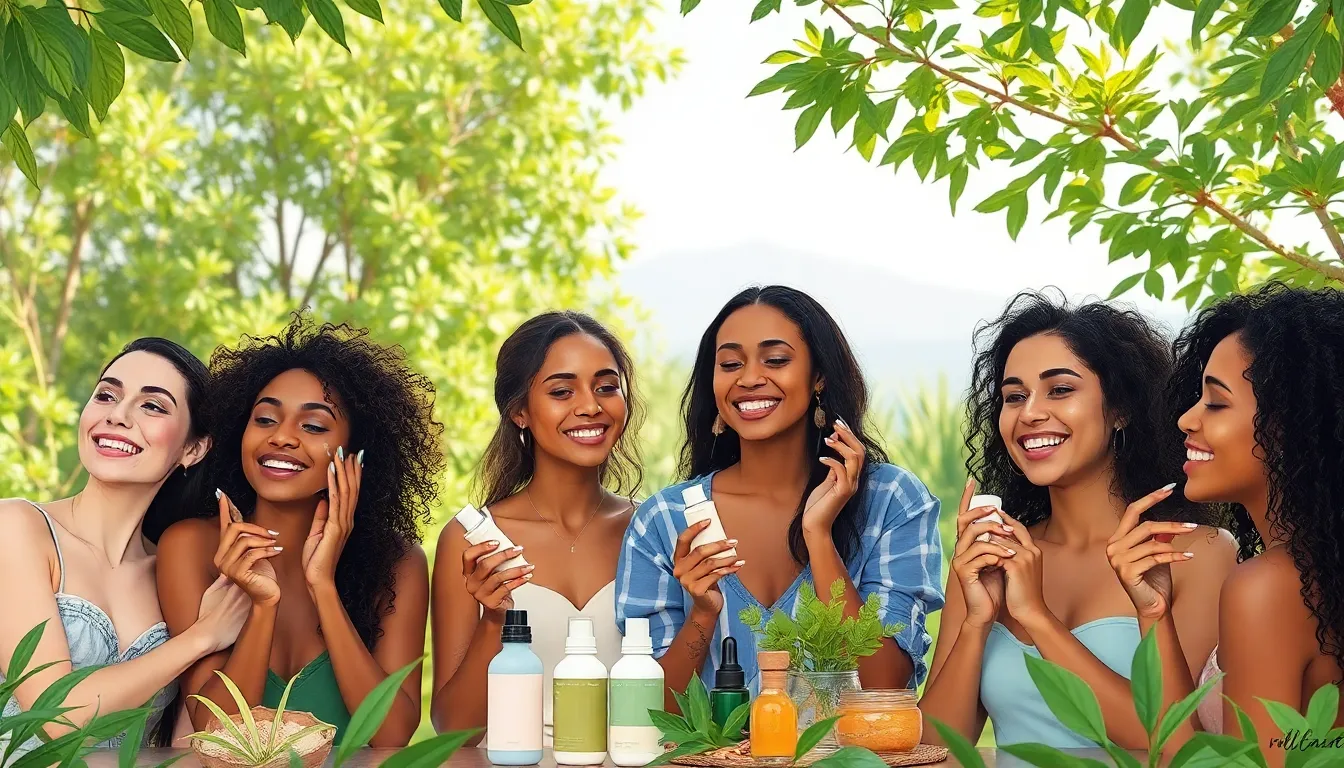
In a world where beauty often comes at a cost—both to the wallet and the planet—sustainable beauty products are stepping into the spotlight like a star on a red carpet. These eco-friendly gems not only pamper the skin but also give Mother Earth a big hug. Who knew looking fabulous could be so guilt-free?
Sustainable Beauty Products
Sustainable beauty products represent a category of items designed to minimize environmental impact. These products utilize eco-friendly ingredients, such as plant-based extracts and organic materials. Companies often prioritize ethical sourcing, ensuring that raw materials are harvested in a responsible manner.
Packaging plays a vital role in sustainability. Many brands choose biodegradable or recyclable materials to reduce waste. Additionally, some products come in reusable containers, promoting a circular economy within the beauty industry.
Consumers drive the demand for transparency. Many sustainable beauty brands disclose ingredient sources and production processes. This practice builds trust and allows individuals to make informed choices about the products they use.
Certifications further enhance credibility. Look for labels like USDA Organic or Leaping Bunny to identify products that meet specific sustainability criteria. These certifications indicate a commitment to environmental responsibility and ethical practices.
Innovation also thrives within this sector. Brands develop formulations that are free from harmful chemicals, such as parabens and sulfates. Continued advancements in sustainable practices are shaping the future of the beauty industry.
Sustainable beauty products benefit both users and the planet. Individuals can enjoy luxurious skincare and makeup options while supporting eco-conscious practices. Essential to this movement is a growing awareness of the impact of personal choices on global environmental issues.
Benefits of Sustainable Beauty Products
Sustainable beauty products offer a range of advantages that benefit both individuals and the environment. They prioritize eco-friendly practices and health-conscious choices.
Environmental Impact
Sustainable beauty products significantly reduce environmental harm. Eco-friendly ingredients minimize pollution and resource depletion. Biodegradable packaging helps lessen landfill waste. Recyclable materials promote a circular economy. Brands often adopt renewable energy sources during production, further decreasing their carbon footprint. Ethical sourcing practices ensure that raw materials are obtained without harming ecosystems or communities. By choosing these products, consumers support brands that prioritize sustainability and actively work toward lessening their ecological impact.
Health Benefits
Health benefits accompany the use of sustainable beauty products. Many formulations avoid harmful chemicals, resulting in safer options for skin and hair. Natural ingredients often provide nourishing properties, enhancing overall well-being. Products certified as organic frequently undergo rigorous testing, ensuring purity and quality. Utilizing these items can lead to better skin health, reducing irritation or allergic reactions. Consumers who opt for these products enjoy a holistic approach to beauty while supporting safer, healthier lifestyles.
Key Ingredients in Sustainable Beauty
Sustainable beauty relies on key ingredients that respect both personal health and the environment. Selecting the right components enhances the efficacy of products while minimizing ecological impact.
Natural vs. Synthetic
Natural ingredients often dominate sustainable beauty formulations. Derived from plants, they provide beneficial properties like nourishment and hydration. Examples include aloe vera and coconut oil, known for their moisturizing effects. Synthetic materials, in contrast, may include potentially harmful chemicals. These products often lack the transparency consumers now demand. Brands focusing on sustainability frequently prioritize plant-based options, emphasizing the importance of natural formulations for skin and hair safety.
Sourcing and Sustainability
Sourcing plays a critical role in sustainable beauty. Ethically sourced ingredients guarantee fair trade practices, benefitting local communities. Brands often utilize renewable resources, reducing their ecological footprint. Many companies seek certifications that validate sustainability claims, establishing trust with consumers. Ingredients obtained through responsible methods support biodiversity and ecosystem health. Overall, sustainable sourcing practices underscore commitment to environmental stewardship.
Brands Leading the Way
Many brands excel in the sustainable beauty sector by prioritizing eco-friendly practices. Lush, for instance, emphasizes fresh, handmade cosmetics and uses minimal packaging to reduce waste. Burt’s Bees focuses on natural ingredients and follows ethical sourcing standards, ensuring that their products are good for both consumers and the planet.
Aveda stands out with its commitment to environmental responsibility and sustainable sourcing of botanicals. This brand uses 100 percent recycled materials for its packaging and supports fair trade initiatives. Rahua produces hair care products made with plant-derived ingredients from the Amazon rainforest, highlighting its dedication to conserving biodiversity.
Tatcha integrates traditional Japanese practices into its beauty line, using natural extracts and environmentally conscious packaging. Kora Organics, founded by supermodel Miranda Kerr, offers certified organic and non-toxic skincare with a focus on sustainability and ethical sourcing.
Each brand mentioned represents a movement towards minimizing environmental impact while delivering high-quality beauty products. Their commitment to using biodegradable ingredients and recyclable packaging reflects growing consumer demand for transparency and environmental care. Ilia Beauty incorporates sustainability into its manufacturing processes, and its clean formulas resonate with eco-conscious consumers.
One Love Organics also reflects this trend with a philosophy centered around simplicity and purity. They prioritize performance and sustainability, believing that beauty should not come at the expense of the environment. Each choice, from raw materials to packaging, embodies this commitment.
Efforts by these brands promise to reshape the beauty industry, proving that luxurious products can align with sustainable values. By choosing these brands, consumers support a broader movement towards responsible beauty practices.
How to Choose Sustainable Beauty Products
Choosing sustainable beauty products involves several key considerations that align with eco-conscious values. Start by examining ingredients. Look for formulations that feature natural sources such as plant extracts or organic materials. These components typically provide benefits without harmful side effects.
Assess packaging options as well. Opt for brands that use biodegradable or recyclable materials. Reusable containers can minimize waste, promoting a circular economy.
Research the brand’s sourcing practices. Ethical sourcing ensures that ingredients support fair trade, improving the livelihoods of local communities. Prioritize brands that disclose their sourcing methods, as transparency fosters trust between consumers and manufacturers.
Check for credible certifications. Labels like USDA Organic or Leaping Bunny indicate a brand’s commitment to sustainability. These certifications help verify claims regarding eco-friendliness and ethical practices.
Review customer feedback. Insight from other users can highlight product effectiveness and satisfaction. This information aids in making informed decisions about which sustainable beauty brands are worth trying.
Finally, stay informed about industry innovations. Brands are increasingly developing formulations free from harmful chemicals, contributing to a healthier beauty routine. Knowledge of these advancements can guide choices while supporting a shift towards environmentally friendly beauty standards.
Conclusion
Embracing sustainable beauty products is more than a trend; it’s a commitment to personal well-being and environmental health. By opting for eco-friendly options, consumers can enjoy high-quality beauty solutions that align with their values. These products not only nourish the skin but also support ethical sourcing and minimal environmental impact.
The beauty industry is evolving, driven by a demand for transparency and innovation. As brands continue to prioritize sustainability, consumers have the power to influence the market. Making informed choices fosters a community dedicated to responsible beauty practices, ensuring that luxury and sustainability go hand in hand. Choosing sustainable beauty is a step toward a healthier planet and a brighter future for all.