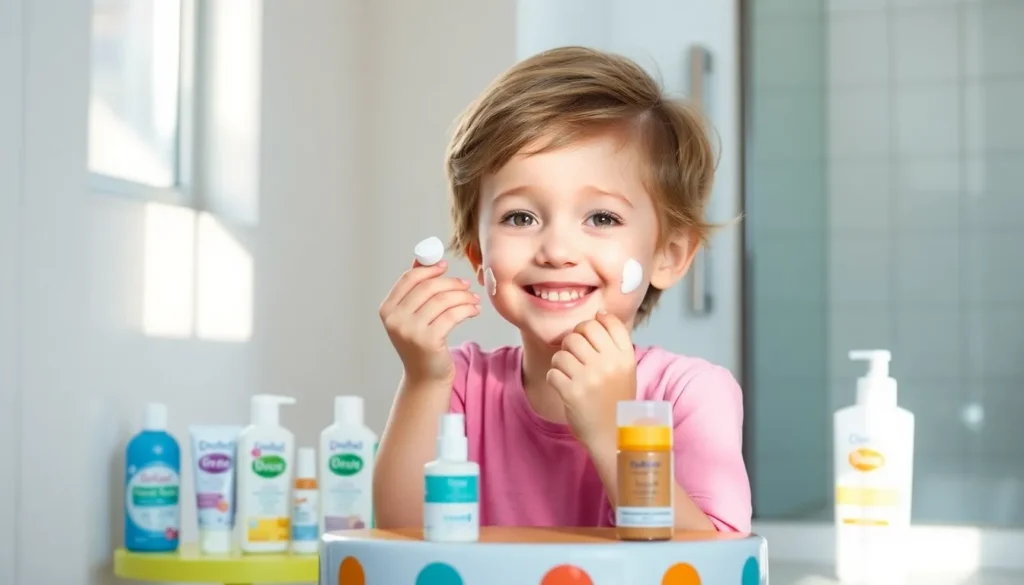
When it comes to kids and skin care, many parents might think it’s just a frivolous trend. But let’s face it—nobody wants their little ones to sport a face that resembles a pizza after a long day in the sun. Kids have delicate skin that deserves just as much TLC as adults, and starting early can make all the difference.
Skin Care Kids
Proper skin care for kids holds significant importance. Children possess delicate skin that requires appropriate attention.
Benefits Of Early Skin Care
Establishing a skin care routine early yields various advantages. Improved hydration is one benefit, as it prevents dryness that can lead to discomfort. Building healthy habits early promotes long-term skin health, making children more aware of their skin’s needs. Early skin care practices help shield against harmful UV rays, reducing the risk of sunburn and long-term skin damage. A routine can also enhance the appearance of skin by maintaining a smooth texture, contributing to overall confidence and self-esteem.
Common Skin Issues In Kids
Several skin issues frequently affect children. Eczema appears often, causing patches of dry or itchy skin that may require special attention. Another common condition, diaper rash, typically occurs in infants, leading to discomfort. Acne can also present challenges for older kids as hormonal changes begin. Sunburn represents a significant concern, especially during outdoor activities, requiring proper protection. Identifying these issues early allows for timely intervention, promoting healthier skin as children grow.
Types Of Skin Care Products For Kids
Children’s skin care involves using specific products that cater to their unique needs. Various types of skin care products ensure proper hydration, protection, and cleanliness.
Moisturizers
Moisturizers designed for kids often contain gentle, hydrating ingredients like aloe vera and shea butter. These products help lock in moisture, preventing dryness and irritation. It’s essential to apply moisturizers after bathing to maximize hydration benefits. Look for formulations free from fragrances and harsh chemicals, as these can be irritating. Regular use of moisturizers promotes smooth, healthy skin, making it a crucial element of any child’s skin care routine.
Sunscreens
Sunscreens for kids provide vital protection against harmful UV rays. Effective options typically come in SPF 30 or higher, offering broad-spectrum protection. Mineral-based sunscreens containing zinc oxide and titanium dioxide are ideal for sensitive skin, reducing the risk of irritation. Apply sunscreen generously 15 minutes before sun exposure, reapplying every two hours during outdoor activities. Children’s skin is delicate, making sunscreen application an essential step to prevent sunburn and long-term skin damage.
Cleansers
Cleansers used for children’s skin should be mild and non-irritating. Look for products specifically formulated for sensitive skin, avoiding those with strong fragrances and sulfates. Gentle cleansers remove dirt and impurities without stripping away natural oils. A simple, lukewarm water rinse often suffices, though a gentle cleanser may be necessary if the child engages in outdoor activities. Regular cleansing keeps skin healthy and helps prevent issues like acne and irritation.
Natural Remedies For Kids’ Skin Care
Natural remedies offer effective options for maintaining kids’ skin health. They often utilize gentle ingredients that cater to sensitive skin needs.
Essential Oils
Essential oils serve as a beneficial addition to kids’ skin care routines. Lavender oil provides a calming scent while possessing anti-inflammatory properties. Chamomile oil aids in soothing irritated skin and alleviating redness. Tea tree oil effectively tackles acne, thanks to its antibacterial qualities. Always dilute essential oils with a carrier oil like coconut or jojoba oil before application to ensure safety on children’s delicate skin.
Homemade Masks
Homemade masks make a fun and nourishing activity for children. A simple oatmeal mask can calm dry, irritated skin and moisturize effectively. Mixing honey with yogurt creates a soothing mask that hydrates while providing antibacterial benefits. Avocado masks, rich in healthy fats, offer deep nourishment for softer skin. Incorporating these masks into a weekly routine promotes healthy skin and encourages children to engage in their skincare regimen.
Guidelines For Choosing Skin Care Products
Selecting skin care products for children requires careful consideration. The right choices support delicate skin and overall health.
Understanding Ingredients
Focusing on safe ingredients proves essential. Look for products with gentle components like aloe vera and shea butter. Avoid harsh chemicals and fragrances to prevent irritation. Ingredients labeled as hypoallergenic often suit sensitive skin better. Checking for natural oils like chamomile or tea tree offers added benefits, as these can soothe and calm. Read labels thoroughly to ensure all ingredients align with children’s skin care needs.
Age Appropriateness
Choosing age-appropriate products significantly impacts skin health. Infants require formulas specifically designed for their sensitive skin. Creams and lotions for toddlers often contain fewer allergens than those meant for older children. Kids aged five and above benefit from lighter formulations that address active skin needs. Sunscreens should match the child’s age, emphasizing mineral bases for younger children. Using products designed with the child’s age in mind fosters effective skin care habits.
Conclusion
Establishing a skincare routine for kids is essential for their long-term skin health. By prioritizing gentle and safe products parents can help protect their children’s delicate skin from common issues and environmental damage. Incorporating natural remedies and age-appropriate formulations makes skincare an engaging and educational experience.
As children learn to care for their skin early on they develop lifelong habits that promote awareness and self-care. Ultimately this proactive approach to skincare not only nurtures their skin but also fosters a sense of responsibility and confidence in their personal health.