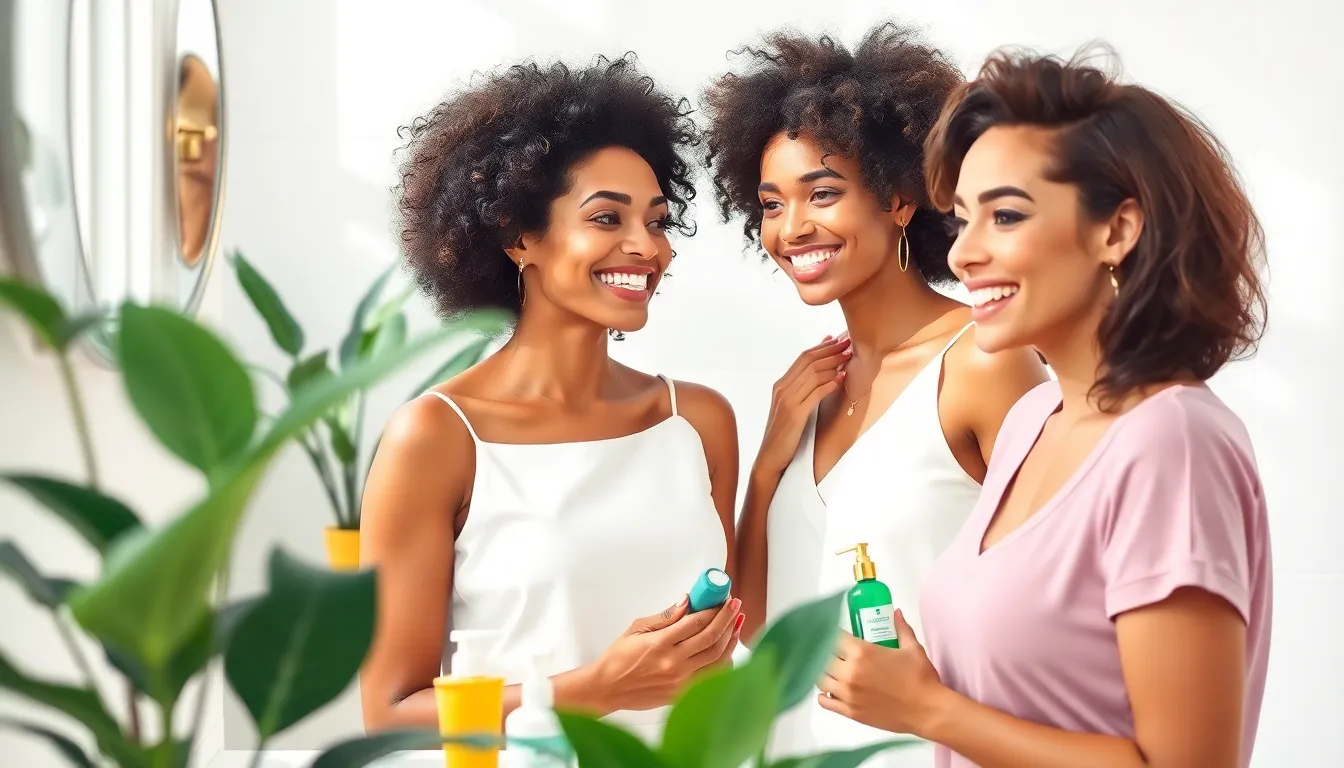
In a world where beauty often comes with a side of chemicals, non-toxic beauty products are like a breath of fresh air—or maybe a splash of organic coconut water. People are waking up to the idea that what they slather on their skin should be as clean as their diet. After all, who wants to risk looking fabulous while secretly hosting a chemical party on their face?
Non Toxic Beauty Products
Non-toxic beauty products contain ingredients that pose minimal harm to health and the environment. Many items in this category exclude known harmful chemicals, such as parabens and sulfates, which can trigger skin irritations or other health issues. Consumers increasingly seek transparency in what they’re applying to their skin, making ingredient lists a crucial factor in their purchasing decisions.
Natural compounds often replace synthetic additives in these products. Examples include plant extracts, essential oils, and minerals, which provide skincare benefits without risk. Eco-friendly brands emphasize ethical sourcing and sustainable practices, appealing to environmentally conscious buyers.
Regulatory organizations, such as the Environmental Working Group (EWG), provide guidelines and ratings to help identify safer options. They analyze products for potentially harmful ingredients, offering consumers reliable information. Knowledgeable consumers now leverage these resources to navigate the beauty market safely.
Many brands promote non-toxic formulations while still delivering effective results. Consumers can find cleansers, moisturizers, and makeup that cater to various skin types through these brands. As awareness grows, the demand for non-toxic options continues to reshape industry standards, pushing more companies to innovate and adapt.
Non-toxic beauty products offer health-conscious alternatives by emphasizing ingredient safety and environmental responsibility. They represent a shift towards a cleaner approach to beauty, aligning with consumer values and lifestyle choices.
Benefits of Non Toxic Beauty Products
Non-toxic beauty products offer numerous advantages that benefit both health and the environment.
Health Benefits
Using non-toxic beauty products reduces the risk of exposure to harmful chemicals. Many conventional products contain parabens, sulfates, and synthetic fragrances, which can irritate the skin and cause allergies. Opting for non-toxic options leads to healthier skin, as natural ingredients such as plant extracts and essential oils nourish without adverse effects. Additionally, individuals with sensitive skin often find these products more suitable, minimizing reactions and promoting overall skin health. A study by the EWG indicates that safer skincare choices can significantly improve skin conditions, reflecting the importance of ingredient transparency.
Environmental Impact
Non-toxic beauty products contribute to a healthier planet. Many brands focus on sustainable sourcing and eco-friendly packaging, reducing waste and environmental harm. Conventional beauty products can introduce toxic chemicals into waterways, affecting ecosystems and wildlife. In contrast, natural ingredients typically break down more easily, posing less of a threat to the environment. Consumers supporting non-toxic brands help drive the industry toward more responsible practices, encouraging a culture of sustainability. According to the Global Wellness Institute, the demand for eco-conscious products is rising, illustrating a crucial shift in consumer preferences.
Popular Non Toxic Beauty Product Categories
Non-toxic beauty products span various categories that cater to the diverse needs of consumers. These categories prioritize safe ingredients without compromising effectiveness.
Skincare Products
Skincare items encompass cleansers, moisturizers, serums, and sunscreens. Many brands focus on botanicals, vitamins, and natural oils to nourish the skin effectively. Ingredients like aloe vera, jojoba oil, and shea butter replace harmful chemicals. Individuals looking for gentle yet effective formulations often choose non-toxic skincare products to promote healthy skin. Brands maintaining transparency also provide clear labels, making it easier for shoppers to select suitable items.
Makeup Products
Makeup options include foundations, lipsticks, eyeshadows, and mascaras. Non-toxic formulations utilize naturally derived pigments without harmful additives. Many consumers prefer these products, as they avoid irritation while providing beautiful finishes. Ingredients like plant extracts and beeswax enhance both appearance and skin health. Eco-friendly packaging often accompanies these products, appealing to environmentally conscious users.
Hair Care Products
Hair care lines consist of shampoos, conditioners, and styling products. Non-toxic options often eliminate sulfates and silicones, which can strip hair of natural oils. Customers appreciate formulas enriched with essential oils and plant-based ingredients, promoting overall hair health. Many brands also emphasize sustainable sourcing, ensuring minimal environmental impact. Users frequently find non-toxic hair products more suitable for maintaining vibrant, healthy hair.
How to Choose Non Toxic Beauty Products
Selecting non-toxic beauty products requires careful consideration of labels and ingredients. Following guidelines allows for informed choices that benefit health and the environment.
Reading Labels
Begin by scrutinizing ingredient lists on product labels. Transparency stands out as a key factor when choosing beauty items. Focus on familiar terms, particularly those derived from natural sources. Avoid products containing harmful chemicals like parabens, sulfates, and synthetic fragrances. Look for certifications from trusted organizations like the Environmental Working Group (EWG) that indicate safety and efficacy. Noting the order of ingredients helps since those listed first comprise the largest proportion of the product. Consumers often find clarity in understanding what they apply to their skin.
Understanding Ingredients
Grasping the nature of ingredients plays a critical role in decision-making. Recognizing the benefits of plant extracts and essential oils enhances knowledge about what products deliver. Choose items featuring simple formulations with minimal additives for optimal safety. Moreover, understanding the purpose of each ingredient aids in evaluating product effectiveness. Some ingredients, such as shea butter and aloe vera, promote hydration and soothe irritation. Others, like tea tree oil, offer natural antibacterial properties. By becoming familiar with beneficial and harmful substances, individuals can select non-toxic beauty products that align with their health and ecological values.
Conclusion
The movement towards non-toxic beauty products marks a significant change in how individuals approach personal care. With a focus on health and environmental sustainability consumers are making informed choices that prioritize safety and efficacy. This shift not only benefits personal well-being but also encourages brands to adopt more responsible practices.
As awareness grows and demand increases the beauty industry is likely to continue evolving. By embracing non-toxic options individuals can contribute to a healthier lifestyle while supporting eco-friendly initiatives. The future of beauty is cleaner and more conscious paving the way for a more sustainable world.