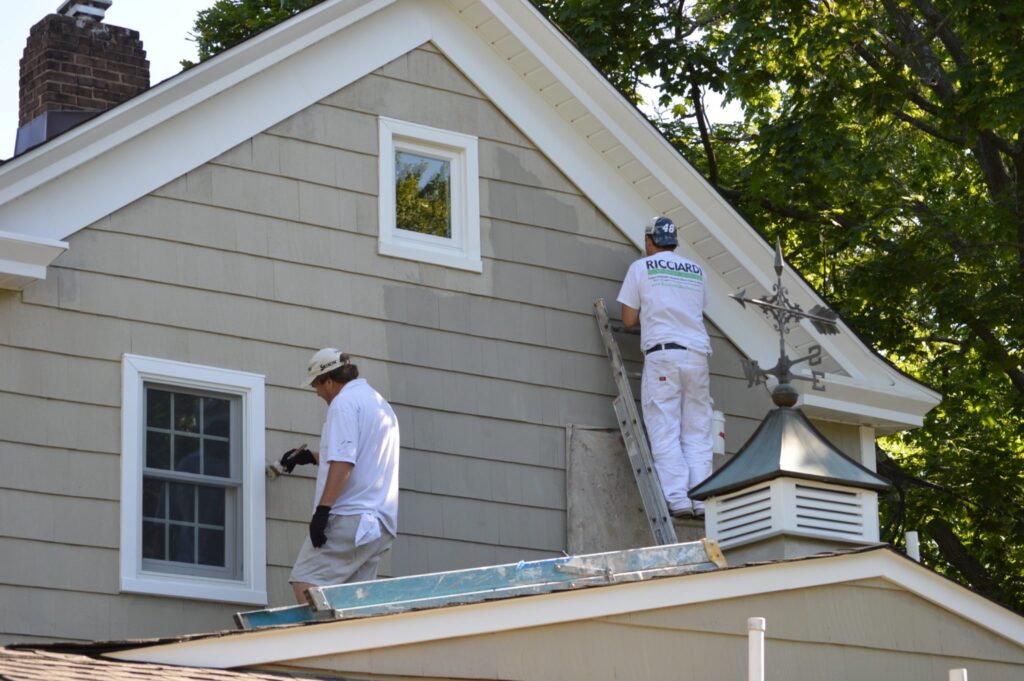
Cape Cod looks wonderful on postcards. Honestly, it really is a wonderful place to live. The Atlantic weather can be a harsh companion, though. It makes Cape Cod a battleground of salt-laced gales, frozen rain that cracks concrete, and humidity so thick it covers your windows with mildew from time to time. The ocean doesn’t ask no permissions. It tests you first. You either earn its respect or leave.
Your roof. Your siding. Your windows. These aren’t decorations. In coastal Massachusetts it would be more correct to consider them your home’s armor. If they fail, the storm doesn’t knock. It invites itself in.
Homeowners in South Dennis, Provincetown, and Chatham rely on Roofing & Siding of Cape Cod not because of spotting their colorful ads online, but because they’ve seen roofs peel off in a Nor’easter. They know how painful it is for homeowners to see their houses ravaged by weather that cradles their kids and grandkids. They’ve repaired homes where salt air turned nails into rusty memories. They know that storm-proof roofing isn’t optional. It’s the difference between a warm house and a disaster.
This guide delivers the full arsenal. From storm resistant roofing Cape Cod engineers trust, to siding protection tips that outlast salt spray, to the quiet, forgotten heroes like an ice and water shield and roof flashing that protect against both moisture damage and freeze-thaw roof damage.
You’re not just buying materials. You’re buying silence that stays during the storm.
What Makes Cape Cod Weather So Demanding on Your Home
You can say Cape Cod weather has seasons. Skilled contractors also know it has attacks.
Nor’easters don’t roll in. They scream as they bash in at 100+ mph, carrying salt crystals sanding everything in their way. Metal, glass, paint — stormy winds simply come to destroy. Salt air doesn’t just corrode nails and other kinds of fasteners. It replaces them with oxides and organic matter. Flashing falls apart. Gutters turn into rust-art installations.
Then comes the freeze-thaw cycle. Water seeps into micro-cracks, then it freezes, expanding in the process. Eventually shingles, bricks, and even concrete get split after the ice melts away.
Summer brings humidity so dense it turns attics into mushroom farms.
Winter is always a special time of the year in Cape Cod. Not only because of Santa leaving presents for nice kids, but also because of snow loads that make rafters collapse.
And don’t forget the occasional hurricane remnants like wind gusts that lift roofs and sometimes even tear them apart.
This is why your home exterior must be perfectly engineered, not just installed. The roofing and siding Cape Cod experts know that if your home exterior protection relies on standard lumber, asphalt, or unsealed vinyl your house deserves extra attention.
Storm-Proof Your Roof: Materials and Upgrades That Hold Up
The way the roof is installed defines how much extra damage and wear it can withstand. In Cape Cod, your roof is your first line of defense against the Atlantic weather. It must be built like a true modern fortress.
Metal roofing is the gold standard today. Aluminum or coated steel with a Kynar finish Resisting coastal levels of corrosion from salt air, withstanding wind uplifts up to 140 mph — that’s what aluminum or coated steel can do, exceeding Massachusetts’ coastal wind zone requirements. Standing seam systems eliminate risks of water seeping through, not letting the mold appear.
Class 4, 130+ mph rated impact-rated architectural shingles are the decent choice for traditional homes. Algae-resistant granules with copper or zinc strips fight black streaks like true chemical sentries.
Synthetic slate or composite roofing mimics the elegance of natural stone. No extra weight or vulnerability of cedar wood. These materials absorb zero moisture, fend off mold growth perfectly, and survive freeze-thaw cycles that shatter real slate.
Selecting the right material is not enough, though. Roof underlayment must be properly reinforced. Use synthetic, non-woven underlayment with decent tear resistance.
Ice and water shield? Apply it beyond the eaves, cover valleys, penetrations, dormers. One missed spot means one flooded attic.
Roof flashing must be stainless steel or copper. Aluminum falls apart. Plastic shatters.
This is storm damage prevention engineered for salt, not for good looks only.
Choosing the Right Siding to Withstand Wind, Moisture, and Salt Air
Your siding matters. It’s the first line of your home’s protection. In Cape Cod’s coastal climate, it’s constantly being scrubbed by salt spray and hammered by stormy rains.
Fiber cement siding is a very common option. It’s non-combustible and termite-proof. It resists corrosion and moisture damage better than wood or vinyl. Paint holds longer. No warping. No rot.
Vinyl siding coastal options are also decent. Remember choosing those with UV stabilizers and reinforced panels. Standard vinyl becomes brittle when it starts to snow, then bows under wind pressure. Look for 50-year warranties and impact resistance ratings.
Engineered wood also can work alright if treated with marine-grade sealants. It demands annual resealing though. One missed year and mold starts blooming.
Composite siding is literally wood fibers mixed with polymers. It’s low-maintenance, resists humidity alright, and won’t swell. A perfect solution for Cape Cod’s rollercoaster of a weather.
But here’s the catch. Siding protection tips mean nothing without professional installation. Gaps at corners turn into wind tunnels. Low-quality sealing around windows means moisture damage waiting to rot the studs.
Wind resistant siding isn’t about thickness. It’s about continuity. If you’re doing an exterior renovation Cape Cod style then match your siding to your roof’s wind rating. A Class 4 roof with cheap vinyl means you’re inviting disaster.
Windows and Doors: Often Overlooked Weak Points in Storm Protection
Windows are the eyes of your home. When a storm comes, they fight it against all odds despite the fragility of glass. Standard double-pane windows may shatter under wind pressure. Seals fall apart. Condensation builds. Mold follows.
Upgrade to energy efficient windows with impact-rated laminated glass, reinforced frames, and ASTM E1886/E1996 certification. These are tested to withstand 140 mph winds and flying debris. That’s what windows have to live through when a genuine Cape Cod Nor’easter comes.
Look for low-E coatings. They reduce heat loss in winter up to 30%. They also block solar heat, cutting cooling costs.
Doors have to be solid core, steel-reinforced, with multi-point locking systems. If a door is misaligned it can create negative pressure. That leads to roofing damage.
A home weatherproofing Massachusetts weather can’t beat isn’t complete until your windows and doors are storm-rated. When all the proper measures are taken it also raises the curb appeal. And, of course, it also prevents emergency roof repair bills that can hit $20K after a single storm from appearing to ravage your wallet.
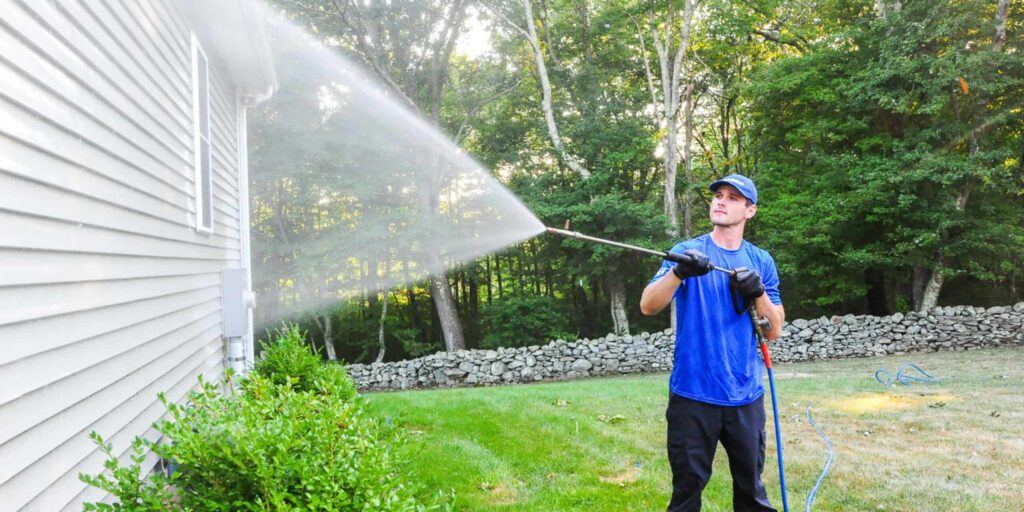
Seasonal Home Maintenance Checklist for Cape Cod Homeowners
Don’t wait for the storm to fix your roof. Fix it before the wind starts howling.
Pre-Winter, October/November:
- Inspect roof flashing for signs of damage or separation
- Clear gutters since clogged gutters get filled with ice dams that damage them
- Seal gaps around windows and siding with marine-grade caulk
- Check home exterior for loose boards or peeling paint
Spring, April/May:
- Conduct a roof inspection Cape Cod houses really deserve: look for granule loss, lifted shingles, and rusted fasteners
- Clean downspouts and drainages
- Re-seal what was exposed to winter salt
Summer, June/August:
- Do the hurricane season home prep: Trim the trees near the roof to avoid branches damaging it when the storm comes
- Inspect vinyl siding coastal for warping or fading
- Check attic ventilation since high humidity traps moisture
Fall, September:
- Final gutter clean-out
- Verify ice and water shield integrity under shingles
- Schedule seasonal maintenance with a licensed contractor
This is a friendly and proper coastal home maintenance checklist. Skipping any of that means gambling with property value. Playing with fire, in simple words.
Why Local Expertise Matters for Coastal Home Protection
Not all contractors are equally experienced. A contractor from Worcester might install shingles the same way they do in Worcester. But Cape Cod isn’t Worcester.
Salt air corrodes fasteners 3x faster. Wind uplift patterns differ. Building codes Massachusetts imposes on coastal zones are stricter. That’s what crews from other parts of the state usually ignore.
That’s why licensed contractor expertise matters. Roofing & Siding of Cape Cod doesn’t just follow codes. They know them. They’ve repaired homes after the most gruesome Nor’easters Cape Code ever knew. They’ve seen what happens when someone uses aluminum flashing in a salt zone.
They use stainless steel nails. They install roof underlayment in continuous sheets. They don’t cut corners on roof flashing because they’ve seen what happens when others do. They understand storm damage prevention isn’t about marketing. It’s about simple math. A failed flashing means $12,000 in drywall repair. A proper installation means peace of mind.
Cape Cod home protection isn’t a product. It’s a necessity. And it’s practiced by locals.
FAQ
How do I know if my roof is storm-ready before hurricane season?
Check for curled shingles, missing granules, rusted flashing, or sagging gutters. Hire a professional for a roof inspection Cape Cod houses really deserve. If your roof is over 10 years old and hasn’t been upgraded it’s not ready.
What siding material holds up best against Cape Cod salt air and wind?
Fiber cement siding outperforms all others in corrosion resistance, impact durability, and long-term maintenance. Avoid using untreated wood at all costs.
How often should Cape Cod homeowners schedule a full exterior inspection?
Annually. In spring after winter and before hurricane season. Every 3 years, get a structural assessment.
Can upgrading windows really improve storm protection for a coastal home?
Sure. Impact-rated, energy efficient windows reduce wind pressure infiltration, prevent water intrusion, and cut heating/cooling costs by up to 30%. They’re one of the highest ROI upgrades for home exterior protection Massachusetts homes can get.
What’s the most common weather-related damage to Cape Cod homes, and how can I prevent it?
Water intrusion from failed roof flashing or clogged gutters. It all leads to rot, mold, and structural decay. Prevention measures are simple — annual gutter maintenance, proper ice and water shield installation, and sealing.