Japanese fashion magazines are more than just glossy pages filled with trendy outfits; they’re a cultural phenomenon that blends art, style, and a sprinkle of whimsy. Imagine flipping through pages that transport you from the bustling streets of Tokyo to the serene landscapes of Kyoto—all while discovering the latest fashion trends that might just inspire your next outfit.
Japanese Fashion Magazines
Japanese fashion magazines serve as influential platforms that reflect and shape societal trends in Japan. These publications blend aesthetics with culture, presenting not just clothing styles but lifestyles. Each magazine showcases visual storytelling, often featuring elaborate photo shoots that transport readers to various settings, from bustling urban environments to serene nature scenes.
Key magazines, such as Vogue Japan, Numéro Tokyo, and Fudge, emphasize unique perspectives on fashion. They cater to diverse audiences, offering a mix of high-end designer features and street fashion inspiration. This range appeals to both fashion aficionados and casual readers alike.
Notably, magazines like Cutie and Zipper specifically target younger demographics. Their content includes accessible trends, DIY tips, and celebrity styles, engaging readers through interactive features and community-driven content. Readers connect with brands and trends that match their lifestyles and preferences.
The seasonal issues often reflect shifts in fashion, highlighting key colors, fabrics, and trends. They provide insights into the upcoming season’s styles, making them invaluable for fashion enthusiasts and industry professionals. Moreover, interviews with designers and industry leaders offer deeper insights into the fashion world.
With online platforms gaining traction, many magazines now feature digital editions. Online content enhances accessibility and allows for real-time updates on trends. This development demonstrates the adaptability of Japanese fashion magazines in a rapidly changing digital landscape. Readers benefit from immediate access to fashion news, style tips, and a vibrant community of like-minded individuals.
Popular Titles in the Industry
Japanese fashion magazines play a crucial role in shaping trends and expressing cultural identities. Several titles stand out, each bringing its own unique voice to the fashion landscape.
Vogue Japan
Vogue Japan exemplifies high fashion and luxury. Launched in 1999, this publication features renowned designers and global trends. It showcases editorial photography that pushes creative boundaries. Readers encounter articles that delve into fashion history and interviews with prominent figures. Content emphasizes both aesthetics and cultural narratives, making Vogue Japan a staple for fashion enthusiasts.
Elle Japan
Elle Japan represents a perfect blend of sophistication and accessibility. This magazine, part of the international Elle family, covers a wide array of fashion trends and beauty tips. Established in the 1980s, it appeals to a modern audience with lifestyle features and celebrity interviews. Elle Japan often highlights emerging designers alongside established names. Its vibrant layouts and engaging content resonate with readers seeking style inspiration.
Cutie
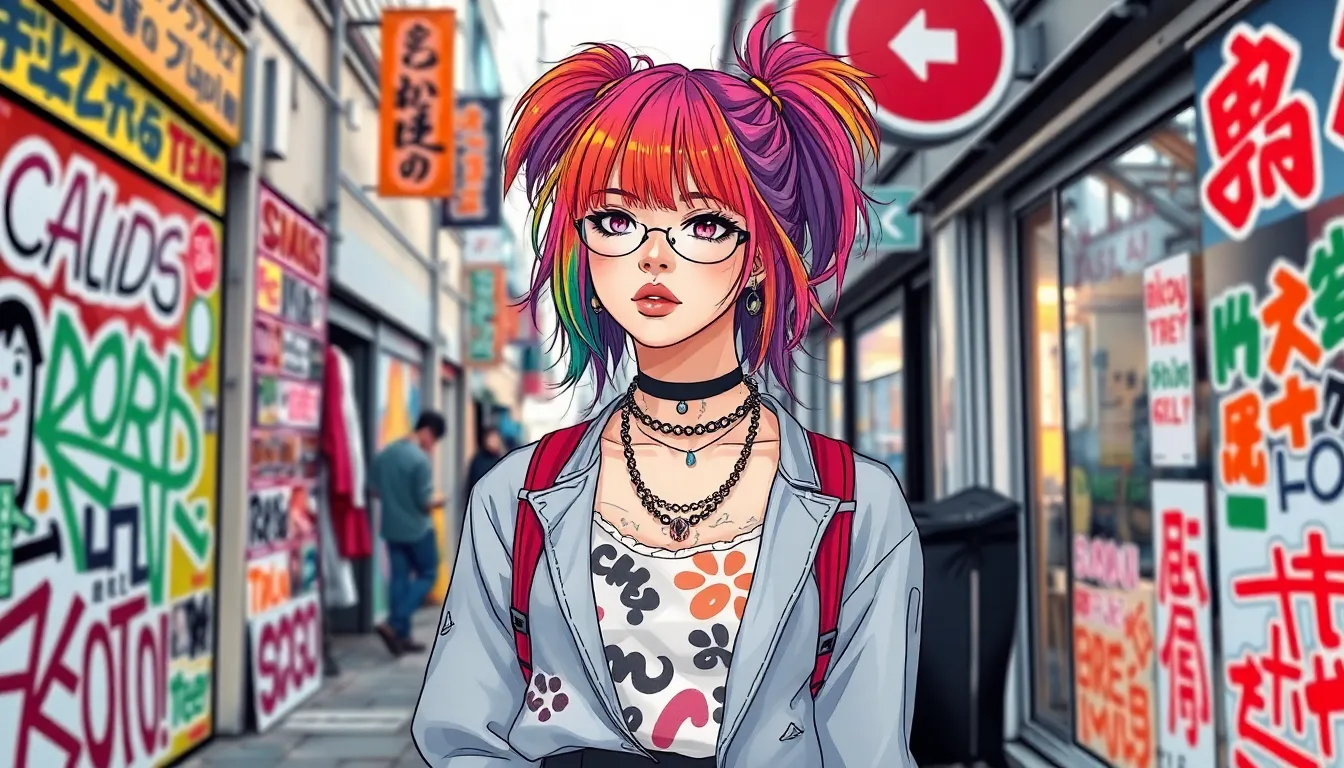
Cutie targets a younger demographic by embracing unique street fashion. This magazine, which has gained popularity since its inception, emphasizes DIY culture and relatable style tips. Its pages are filled with vibrant imagery showcasing youth trends from urban environments. Readers enjoy practical advice and interactive features that encourage personal expression. Cutie’s contemporary approach to fashion makes it a favorite among teens and young adults.
Influential Trends and Styles
Japanese fashion magazines significantly influence global fashion trends, shaping styles and aesthetics across cultures. They explore various subcultures and communities, reflecting the dynamic nature of fashion in Japan.
Harajuku Culture
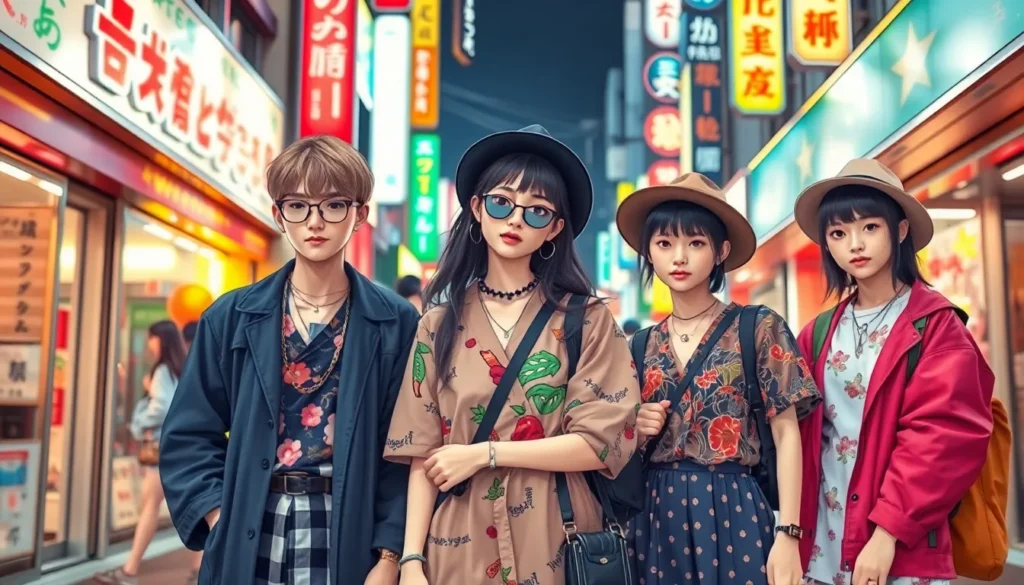
Harajuku culture embodies creativity and individuality. This style movement thrives on eclectic fashion choices, mixing traditional Japanese elements with contemporary Western influences. Magazine features often highlight unique street styles, showcasing bold colors, layers, and accessories that define this district’s fashion scene. Youthful expression fuels this trend, encouraging complete freedom in outfit combinations. Publications like Cutie and Zipper capture the essence of Harajuku fashion, providing an avenue for emerging designers and DIY enthusiasts.
Street Fashion
Street fashion in Japan transcends simple clothing; it’s a lifestyle celebrated by many. Various styles emerge from urban environments, with trendsetters often influencing global fashion. Japanese fashion magazines play a vital role by documenting these trends through editorial spreads and interviews. They emphasize distinctive elements, such as oversized silhouettes and unorthodox layering techniques. Influencers featured in these magazines take center stage, showcasing their individual interpretations of street fashion. Notable magazines provide real-time updates on what’s trending, connecting readers with the pulse of urban life.
The Role of Photography and Design
Japanese fashion magazines utilize visually striking photography and innovative design to engage readers and convey cultural narratives.
Visual Storytelling
Photography serves as a primary medium for storytelling within Japanese fashion magazines. Captivating images capture the essence of fashion trends while showcasing the beauty of various locations in Japan. Tokyo’s bustling streets often serve as vibrant backdrops, enhancing editorial themes. An emphasis on mood and emotion draws readers deeper into the story behind each collection. Candid shots emphasize real-life interactions, creating a relatable context for fashion enthusiasts. Creative use of lighting and color further accentuates the aesthetic appeal, reflecting Japan’s unique blend of contemporary and traditional influences. By presenting fashion in various narratives, these magazines inspire readers to embrace their individuality.
Layout and Aesthetics
Layout design plays a crucial role in how content is presented in Japanese fashion magazines. Clean lines and strategic spacing enhance readability and draw attention to key elements. Magazine covers utilize bold typography and striking visuals to create a sense of allure. An effective balance between images and text offers an immersive experience. Designers incorporate themes and colors that align with the season, establishing a cohesive look throughout the publication. Color palettes reflect current trends, adding freshness and vibrancy. Visual hierarchy guides readers’ attention, ensuring important features stand out. With these design elements, Japanese fashion magazines not only showcase style but also establish a distinct identity within the global fashion landscape.
Cultural Impact and Global Reach
Japanese fashion magazines hold significant cultural influence, shaping and reflecting global fashion trends. Their unique ability to blend traditional and contemporary elements resonates with diverse audiences. Vogue Japan, for instance, showcases high fashion while embodying luxury, establishing itself as a leader in the industry.
Key publications like Elle Japan emphasize accessibility and sophistication. They appeal to modern readers through lifestyle features, celebrity interviews, and relatable content, bridging gaps between high-end fashion and everyday style. Cutie and Zipper, by contrast, target younger audiences, focusing on street fashion, DIY culture, and interactive content. These magazines cultivate a sense of community among teens and young adults.
Harajuku culture epitomizes individual expression through eclectic fashion, prevalent within Japanese fashion magazines. Bold colors, layers, and unique accessories define this vibrant style, influencing global fashion scenes. Street fashion, celebrated as a lifestyle, emerges from urban hubs, with trendsetters shaping aesthetics worldwide.
The innovative use of photography and design enhances their impact. Visually striking layouts engage readers while conveying powerful cultural narratives. Each image tells a story, supported by Japan’s diverse locations, capturing the essence of fashion trends. Creative layouts improve readability and create immersive experiences, distinguishing these magazines within the global fashion landscape.
Japanese fashion magazines connect various subcultures with broader industries. Their ability to document and disseminate evolving trends underscores their adaptability. As digital platforms rise, many magazines now offer online editions. These editions keep readers updated on real-time trends, ensuring resilience in an ever-changing world.
Conclusion
Japanese fashion magazines play a pivotal role in shaping both local and global fashion landscapes. Their unique blend of art and culture captures the essence of diverse styles and subcultures. With a focus on visually stunning photography and innovative layouts, these publications engage readers while telling compelling stories about fashion trends.
As they adapt to the digital age, Japanese fashion magazines continue to influence and inspire. They provide insights into emerging styles and connect readers with the vibrant pulse of urban life. The rich narratives and diverse perspectives found within these magazines ensure their lasting impact on fashion enthusiasts worldwide.