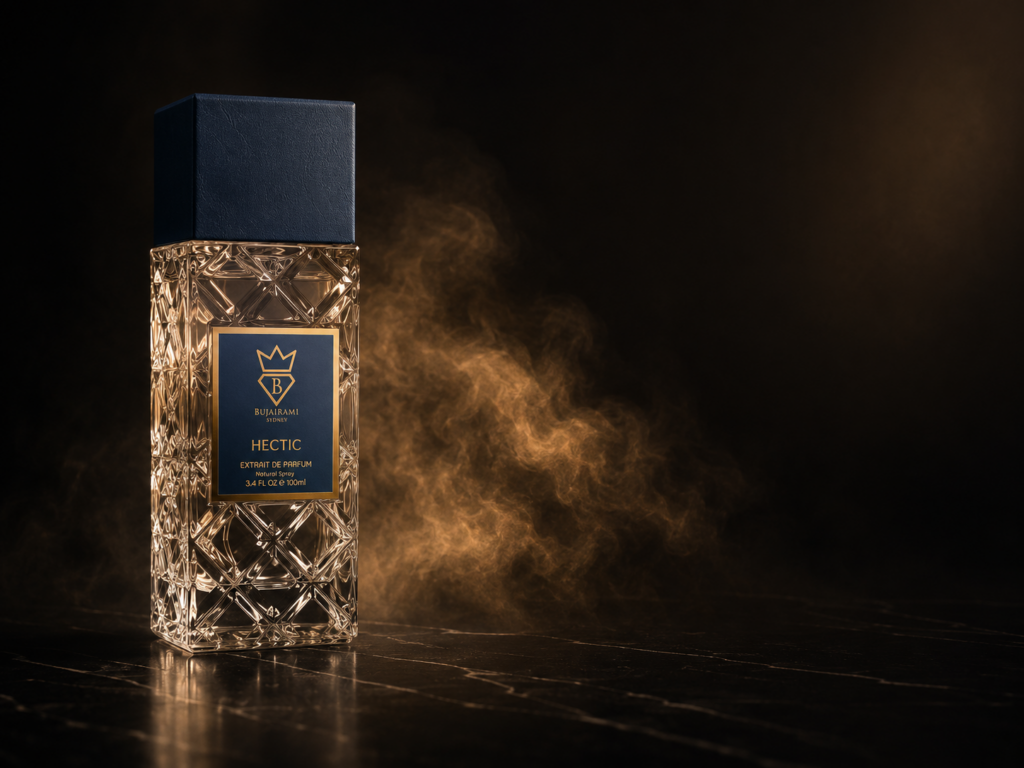
You've found a dupe that sounds promising. The reviews are decent, the price is right, and the original is something you've wanted for a long time. But you've been here before, and you know how it ends: a bottle that smells nothing like the description, sits unused at the back of a shelf, and quietly reminds you that cheaper isn't always smarter.
This guide isn't another enthusiastic recommendation. It's a practical framework for evaluating any dupe before you buy, so you can make the call with confidence rather than hope. By the end, you'll know exactly what to look for.
1. Start With What the Dupe Is Actually Trying to Replicate
Not every fragrance is equally easy to copy. A crisp citrus or a simple aquatic has a relatively straightforward profile, and a dupe brand can get close without enormous difficulty. A complex resinous oud, a multi-layered oriental, or a niche signature built on unusual accords is a far harder brief. The more distinctive and technically intricate the original, the more likely a dupe will capture the opening and lose the thread somewhere in the dry-down.
Before you evaluate any alternative, look up the original on Fragrantica and read through its full note breakdown. Pay attention to how reviewers describe its development over time, not just what it smells like in the first ten minutes. A fragrance with a simple structure gives a dupe brand a realistic target. One with a highly specific base or a recognisable signature accord raises the bar considerably, and that context matters before you spend anything.
2. Look at the Concentration, Not Just the Price
Price is the most visible variable when you're comparing a dupe to its inspiration, but concentration is often the more important one. Many lower-cost alternatives cut their production costs at the fragrance oil level, which means you're getting a lighter formula that performs poorly on skin and fades faster than you'd expect. A dupe that looks affordable can still represent poor value if it's gone within two hours.
When you're reading a product listing, check whether the brand specifies concentration clearly. An eau de parfum, an extrait de parfum, and an eau de toilette each carry a meaningfully different fragrance oil percentage, and that difference directly affects how long the scent lasts and how well it projects. A $30 extrait de parfum is a different proposition entirely to a $30 eau de toilette, even if both claim to be inspired by the same original. Most buyers skip this detail. You shouldn't.
3. Read for Specific Language in Reviews, Not General Praise
Reviews that tell you a dupe "smells amazing" or is "basically identical to the original" are not useful. They tell you the reviewer liked it, which is a different thing entirely from knowing whether it will work for you. What you're looking for is comparative, specific language: reviewers who describe what the dupe gets right, where it diverges, and how it behaves across the full wear.
The most reliable reviews will distinguish between the opening and the dry-down, comment on projection versus longevity, and note whether there's a synthetic edge that softens over time or stays throughout. If a reviewer can't tell you where the dupe falls short of the original, there's a reasonable chance they haven't tested both side by side. Brand-site reviews are generally the least useful source for this kind of detail. Fragrantica community threads, where fragrance enthusiasts compare versions directly and often own both, are worth far more of your time.
4. Check the Brand's Consistency Across Multiple Releases
A single well-received dupe doesn't tell you much about a brand. Formulations vary, and one strong release can sit alongside several mediocre ones in the same catalogue. What you're looking for is a pattern of quality across multiple releases, because that's what tells you whether a brand has reliable standards or whether you're gambling on a good batch.
Before committing to a purchase, spend some time looking at community reception across at least three or four of the brand's other offerings. Brands worth trusting tend to be transparent about their inspirations, consistent in their concentration levels from batch to batch, and willing to put a named perfumer's credibility behind their work. That kind of accountability is a meaningful signal. It's the difference between a brand with genuine standards and a manufacturer producing to a price point.
5. Treat Longevity Claims as a Starting Point, Not a Guarantee
When a reviewer reports eight hours of wear, that number reflects their skin chemistry, not yours. Longevity is one of the most variable factors in fragrance performance, and it shifts significantly depending on skin type, hydration levels, climate, and even diet. A dupe that lasts all day on one person may fade to a skin scent within three hours on another.
Rather than looking for the highest longevity claim you can find, look for a spread of reports and pay attention to patterns. If multiple reviewers across different skin types are noting that a fragrance fades quickly, that's a consistent signal worth trusting. If reports range broadly, it likely means performance varies by individual rather than that the formula is weak. As a baseline habit, applying fragrance over an unscented moisturiser will extend wear on most skin types, regardless of brand or price point.
Make the Decision With Confidence, Not Guesswork
Knowing what to look for changes the entire experience of buying a dupe. When you understand what the original demands of its alternative, check the concentration rather than just the price, read for specific comparative language in reviews, assess a brand's consistency across its range, and set realistic expectations around longevity, you're no longer guessing. You're making an informed decision, and that's a different thing entirely.
Buying a quality alternative isn't a compromise. Done properly, it's a considered choice that reflects exactly the kind of fragrance knowledge you've been building. If you're ready to test the framework, inspired perfumes crafted to sit alongside the originals they reference are a good place to start.