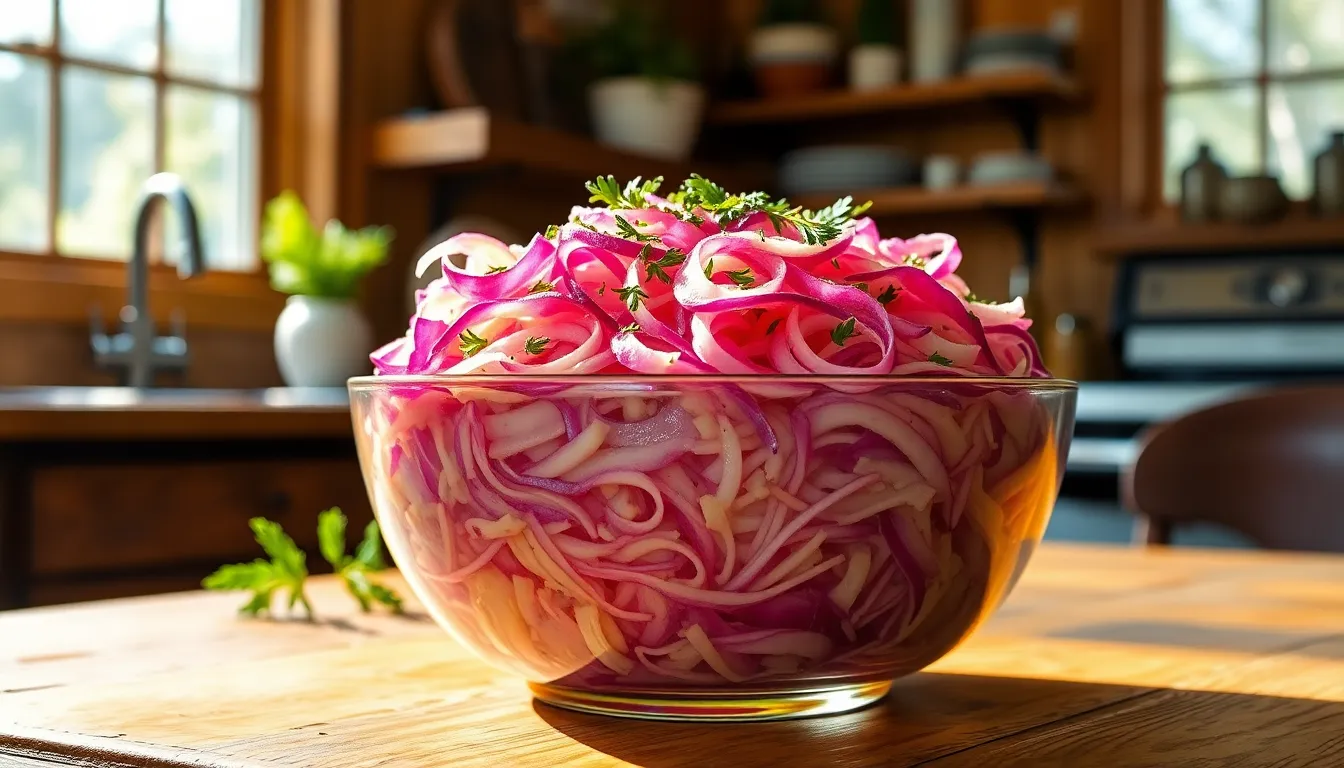
Sauerkraut might not be the star of the dinner table, but it’s time to give this fermented cabbage its moment in the spotlight. Packed with probiotics, sauerkraut is like a tiny superhero for your gut, swooping in to save the day from digestive distress. Who knew that something so tangy could be the key to a happier tummy?
How To Eat Sauerkraut For Gut Health
Gut health plays a crucial role in overall wellness. It influences digestion, immunity, and mood, impacting both physical and mental health.
Importance of Gut Health
Maintaining a healthy gut microbiome is essential for effective digestion. A well-balanced gut supports nutrient absorption and prevents digestive disorders. Studies link gut health to the immune system, where a diverse microbiome can enhance defense against infections. Furthermore, a healthy gut contributes to mental clarity and emotional stability, affecting one’s mood and cognitive functions. Individuals with gut imbalances may face issues like bloating, gas, or constipation, emphasizing the need for proper gut care. Focusing on gut health can significantly improve one’s quality of life.
Role of Fermented Foods
Fermented foods serve as a direct source of probiotics, promoting gut health. They contain live microorganisms that enhance the gut microbiome’s diversity. Consuming foods like sauerkraut introduces beneficial bacteria, helping to restore balance and improve digestion. Regular intake of fermented foods can alleviate symptoms of gastrointestinal disorders such as irritable bowel syndrome. Moreover, they aid in breaking down nutrients, making them easier to absorb. Incorporating fermented foods into daily diets supports overall immunity, contributing to better health outcomes.
Benefits of Sauerkraut
Sauerkraut offers numerous advantages for gut health. Incorporating this fermented food into one’s diet can lead to significant improvements in digestion and overall wellness.
Nutritional Profile
Sauerkraut is low in calories, making it a smart choice for those monitoring their intake. One cup contains about 27 calories, yet it provides essential nutrients. Fiber, vitamin C, vitamin K, and several B vitamins all contribute to its health benefits. Antioxidant properties come from the presence of various phytonutrients, which can help combat oxidative stress. This nutrient density is vital for supporting bodily functions and maintaining energy levels. Adding sauerkraut to meals increases the intake of vitamins that promote health and vitality.
Probiotic Content
Probiotics play a crucial role in enhancing gut health, and sauerkraut is rich in these beneficial bacteria. Fermentation produces live cultures like Lactobacillus plantarum and Lactobacillus brevis, which aid digestion. Consuming sauerkraut regularly can help restore a balanced gut microbiome by increasing the diversity of probiotics. A typical serving contains millions of live probiotics, significantly benefiting those with digestive disorders. These microorganisms not only assist in digestion but also support immune function. Prioritizing probiotic-rich foods like sauerkraut can lead to improved gut health and enhanced overall wellness.
How to Incorporate Sauerkraut into Your Diet
Incorporating sauerkraut into daily meals enhances gut health through its rich probiotic content. This fermented food lends itself to various serving methods, making it easy to enjoy.
Serving Suggestions
Serving sauerkraut as a condiment elevates the flavor of many dishes. Adding it to sandwiches and salads boosts the nutrient profile and introduces a tangy kick. Hearty soups benefit from a spoonful of sauerkraut, enriching both taste and gut health. For a simple snack, pairing sauerkraut with cheese or crackers creates a delightful treat. Enjoying sauerkraut in small amounts daily ensures consistent probiotic intake.
Pairing with Other Foods
Pairing sauerkraut with meats enhances the meal’s digestive benefits. Marrying sauerkraut with sausages allows the acidity to balance rich flavors. It complements roasted vegetables, adding depth and texture. Combining sauerkraut with grains like quinoa or barley provides a nutritious grain bowl, promoting gut balance. Using sauerkraut in stir-fries infuses dishes with probiotics while adding crunch. When partnered creatively, sauerkraut becomes a versatile ingredient in any diet.
Potential Risks and Considerations
Understanding potential risks and considerations of sauerkraut is essential for maximizing its gut health benefits. While it’s a nutritious option, moderation plays a crucial role in its consumption.
Overconsumption Effects
Excessive sauerkraut intake can lead to digestive discomfort. Symptoms like bloating, gas, or diarrhea may arise from high fiber and probiotic levels. Sodium content also warrants attention, as too much can harm cardiovascular health. Those with hypertension should monitor their salt intake. Balancing sauerkraut with other foods helps prevent these unwanted effects and supports overall gut balance.
Choosing the Right Sauerkraut
Selecting the appropriate sauerkraut greatly impacts gut health benefits. Opt for unpasteurized varieties that contain live probiotics. These include products labeled as “raw” and “fermented.” Ingredients should consist primarily of cabbage and salt, avoiding added sugars and preservatives. Organic options often provide a cleaner alternative and ensure fewer chemicals. Reviewing labels allows informed choices that enhance gut health and nutrition.
Conclusion
Incorporating sauerkraut into daily meals can significantly enhance gut health. This probiotic powerhouse not only aids digestion but also supports immune function and overall well-being. By enjoying it in moderation and choosing high-quality, unpasteurized varieties, individuals can reap the benefits while minimizing potential risks.
Whether served as a condiment or paired with various dishes, sauerkraut’s versatility makes it an easy addition to any diet. Prioritizing this fermented food can lead to a healthier gut microbiome and improved vitality. Embracing sauerkraut is a simple yet effective step towards better health.