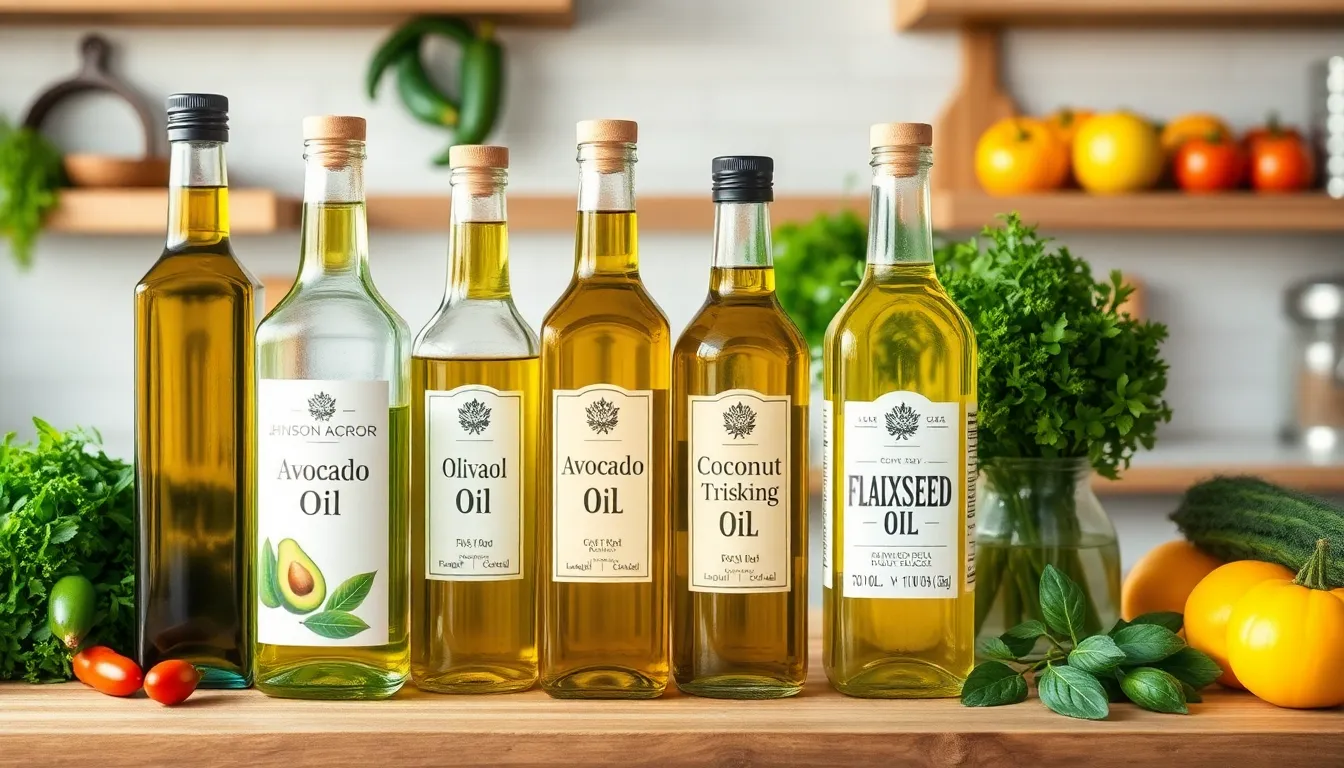
When it comes to cooking, the oil you choose can make or break your dish—and your health. With a sea of options available, picking the right cooking oil might feel like trying to find a needle in a haystack. But fear not! The quest for the healthiest cooking oil doesn’t have to be an epic saga.
Imagine whipping up a delicious meal that not only tantalizes your taste buds but also boosts your well-being. Whether you’re sautéing veggies or frying up a storm, the right oil can be your secret weapon. From heart-healthy choices to those that bring a burst of flavor, this guide will help you navigate the oily waters. Get ready to transform your cooking game while keeping your health in check—because who said eating well couldn’t be fun?
Best Cooking Oil For Health
Cooking oils play a crucial role in food preparation, adding flavor and texture to dishes. Selecting the right oil impacts not just taste but also health.
What Are Cooking Oils?
Cooking oils are fats derived from plants, nuts, seeds, or animals. They enhance the cooking process by providing moisture and improving flavor profiles. Common examples include olive oil from olives, canola oil from rapeseeds, and coconut oil from coconuts. Each oil possesses unique properties, making them suitable for various cooking methods, including frying and baking.
Importance of Choosing Healthy Oils
Choosing healthy oils significantly affects overall well-being. Oils rich in unsaturated fats, such as olive and avocado oil, support heart health. They lower bad cholesterol levels and reduce the risk of heart disease. In contrast, oils high in saturated fats, like palm oil or coconut oil, may increase cholesterol levels if consumed excessively. Selecting oils with beneficial nutrients helps promote a balanced diet and inspires healthier cooking habits.
Types of Cooking Oils
Cooking oils vary widely in flavor, nutritional content, and cooking applications. Understanding these differences can help in making healthier choices.
Olive Oil
Olive oil stands out for its high monounsaturated fat content. This oil helps lower bad cholesterol levels and supports heart health. Extra virgin olive oil contains antioxidants and anti-inflammatory compounds, making it a top choice for dressings and sautéing. It has a distinct flavor that enhances both Mediterranean and various global cuisines. Regular use of olive oil promotes longevity and adds richness to meals.
Avocado Oil
Avocado oil offers a high smoke point, making it ideal for high-heat cooking methods like frying and grilling. Its rich composition includes essential fatty acids and vitamins that benefit skin and heart health. Nutritional properties in avocado oil can also improve the absorption of nutrients from vegetables. Using avocado oil in recipes adds a mild, buttery flavor that complements many dishes. Chefs appreciate its versatility in both cold and hot preparations.
Coconut Oil
Coconut oil provides unique health benefits due to its medium-chain triglycerides (MCTs), which may boost metabolism and improve brain function. When used in moderation, this oil can contribute to heart health due to its favorable fatty acid profile. Popular in baking and sautéing, coconut oil has a distinctive flavor that enhances tropical recipes. While it contains saturated fat, research indicates that its effects on cholesterol can vary among individuals. Incorporating coconut oil thoughtfully can balance flavor and health.
Flaxseed Oil
Flaxseed oil is rich in omega-3 fatty acids, essential for heart and brain health. This oil isn’t suitable for cooking due to its low smoke point, but it shines in salad dressings or as a finishing oil. The high lignan content in flaxseed oil offers additional antioxidant properties. Using flaxseed oil can elevate nutritional value in smoothies, dips, and various cold dishes. It serves as a plant-based alternative to omega-3 sources often found in fish oils.
Factors to Consider
Selecting the healthiest cooking oil requires careful consideration of various factors. Each aspect can significantly influence the oil’s overall impact on health.
Fatty Acid Profile
The fatty acid profile plays a crucial role in determining an oil’s health benefits. Oils rich in unsaturated fats, such as olive and avocado oil, support heart health and decrease bad cholesterol levels. In contrast, oils high in saturated fats like coconut oil may raise cholesterol levels when consumed excessively. Choosing oils with a favorable balance of omega-3 and omega-6 fatty acids can promote overall wellness while reducing inflammation in the body. Educating oneself about these profiles leads to informed choices that align with health goals.
Smoke Point
The smoke point indicates the maximum temperature at which an oil can be heated before it begins to smoke and break down. An oil with a high smoke point, like avocado oil, is ideal for frying and high-heat cooking methods. Olive oil, although versatile, has a lower smoke point and suits sautéing and baking better. Selecting oils with appropriate smoke points ensures safe cooking without the formation of harmful compounds. Maintaining the integrity of the oil during cooking enhances both flavor and health benefits.
Nutritional Benefits
Nutritional benefits vary significantly among different cooking oils. Olive oil provides antioxidants and anti-inflammatory compounds, enhancing overall health. Avocado oil also contains vitamins E and K, contributing to skin health and immune function. In contrast, flaxseed oil is rich in omega-3 fatty acids and serves as a nutritious addition to salads and smoothies. Recognizing the specific nutrients offered by each oil promotes a balanced diet. Being aware of these benefits aids in selecting oils that support individual health objectives.
Top Recommendations
Choosing the right cooking oil can significantly impact health. Consider the following recommendations for optimal oil selections.
Best Cooking Oils for Heart Health
Olive oil emerges as a top contender for heart health, rich in monounsaturated fats and antioxidants. Avocado oil also supports cardiovascular wellness, offering a similar healthy fat profile along with vitamins E and K. Both oils can lower bad cholesterol levels and promote overall heart function. Walnut oil, another excellent choice, provides omega-3 fatty acids, which contribute to heart health. Flaxseed oil, while not suitable for cooking, is another solid option when added to cold dishes or smoothies for its omega-3 content.
Best Cooking Oils for Weight Management
When managing weight, consider oils that complement a balanced diet. Avocado oil ranks high due to its satiating properties and ability to promote feelings of fullness. Coconut oil, while high in calories, contains medium-chain triglycerides that may enhance metabolism. Olive oil also supports weight management, particularly when used in salad dressings or drizzled on meals. Grapeseed oil provides a light option with a mild flavor, allowing for easy incorporation into various dishes without adding excessive calories.
Best Cooking Oils for High-Heat Cooking
High-heat cooking requires oils with elevated smoke points. Avocado oil stands out, boasting a smoke point of around 520°F, making it ideal for frying and sautéing. Refined coconut oil is another option, with a smoke point of approximately 400°F, suitable for various cooking methods. Peanut oil also performs well under high temperatures, with a smoke point of about 450°F, perfect for stir-frying. Grapeseed oil, with a smoke point near 420°F, works well for baking and frying.
Conclusion
Choosing the right cooking oil can significantly impact both flavor and health. By understanding the unique properties of various oils and their nutritional benefits, individuals can make informed decisions that enhance their cooking while supporting their well-being.
Focusing on oils rich in unsaturated fats like olive and avocado oil promotes heart health and contributes to a balanced diet. Whether frying, sautéing, or dressing salads, the right oil can elevate meals and encourage healthier eating habits.
With a bit of knowledge and consideration, anyone can enjoy delicious dishes that align with their health goals. Embracing these cooking oils not only enriches flavors but also fosters a more health-conscious approach to cooking.