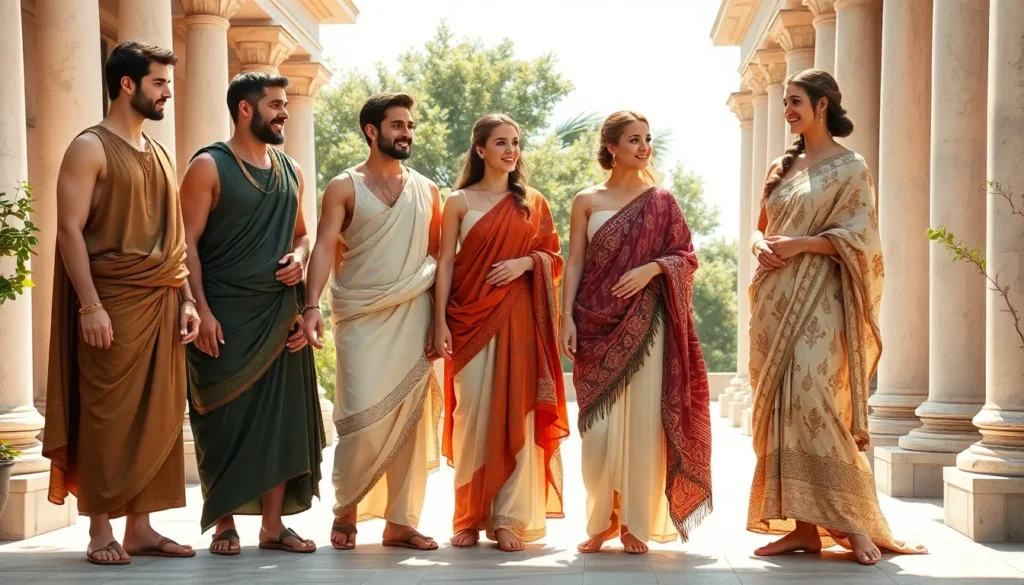
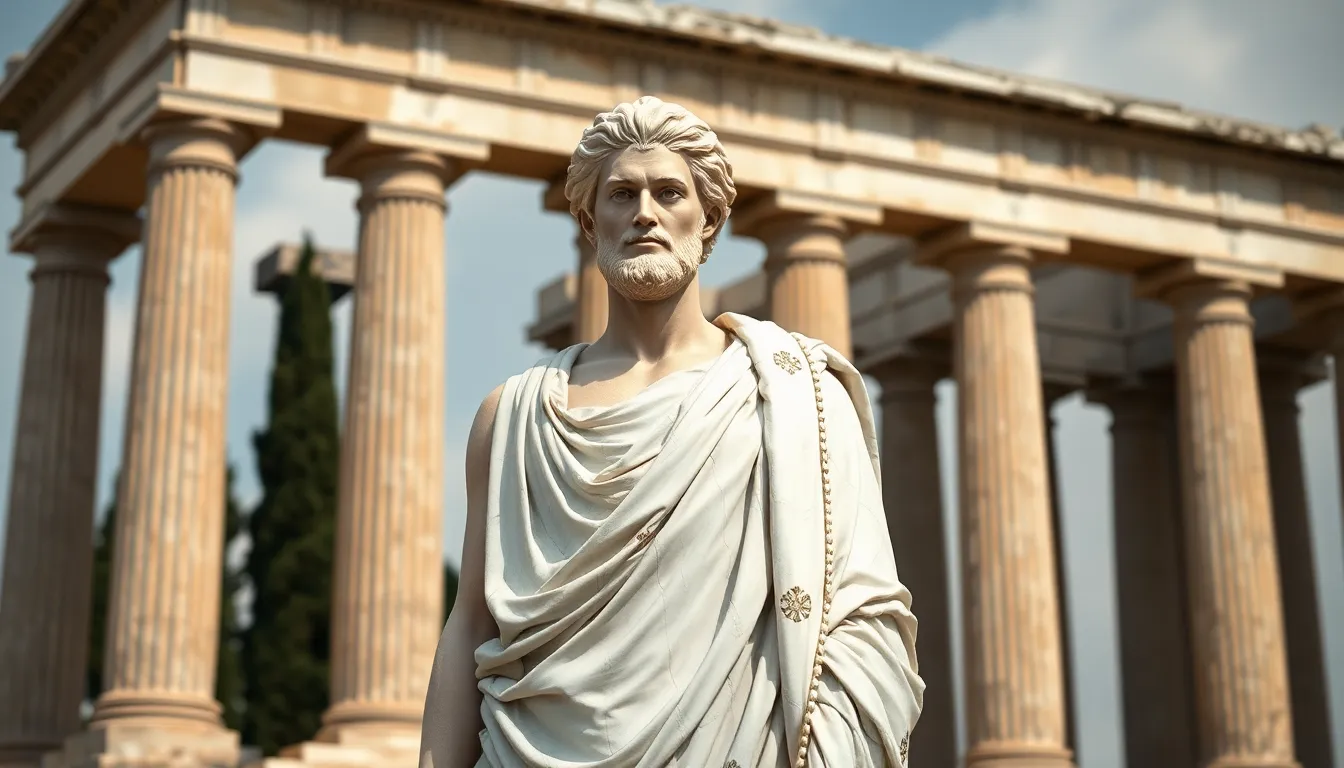
Imagine strolling through the sun-drenched streets of ancient Greece, where togas billow in the breeze and sandals are the ultimate fashion statement. Ancient Greece wasn’t just about philosophers and epic battles; it was also a vibrant tapestry of style that shaped the way we think about fashion today. From the elegant drapes of the chiton to the intricate patterns of the himation, the Greeks knew how to turn heads and make a statement with their clothing.
Ancient Greece Fashion
Ancient Greece fashion played a significant role in expressing identity and social status. Clothing styles reflected individual tastes and societal norms, making attire an essential aspect of Greek culture.
Importance of Clothing in Ancient Greece
Clothing in ancient Greece served as more than mere protection; it symbolized wealth and social rank. Citizens showcased their status through the quality and style of their garments. Commoners wore simpler designs while aristocrats opted for luxurious fabrics and elaborate draping. Special occasions prompted Greeks to wear clothing that featured vibrant colors and intricate patterns, emphasizing their elegance. Festivals and public events celebrated the artistry of Greek fashion, making it a vital part of their cultural expression.
Fabric and Materials Used
Fabrics used in ancient Greece varied widely, influencing clothing styles and comfort. Linen and wool dominated, offering variety in texture and appearance. Cotton emerged later, providing an additional option for casual wear. Dyeing techniques resulted in stunning colors ranging from deep reds to vivid blues. Quality of fabric often dictated a garment’s price, with finer raw materials signifying higher status. Craftsmanship is evident in the attention to detail, visible in the weaves and patterns of each piece.
Men’s Fashion in Ancient Greece
Men’s fashion in ancient Greece showcased various styles, emphasizing simplicity and elegance. Garments like the chiton and himation defined their wardrobe choices.
Typical Attire for Men
Tunic-like chitons were common, worn by men of all social standings. Fabrics ranged from linen for warmer weather to heavier wool in cooler months. Draping techniques allowed for versatility, making the chiton suitable for various occasions. Aristocrats often adorned their chitons with elaborate embroidery, symbolizing wealth and status. The himation, a large cloak, served both practical purposes and as a fashion statement, enhancing the overall look. Additionally, colors varied, with brighter options reflecting festive or ceremonial purposes, while muted tones were preferred for daily wear.
Accessories and Footwear
Footwear choices included sandals, which were often simple in design, allowing for comfort and breathability. Leather and cloth materials were commonly used, providing durability and flexibility. Men also accessorized with items like belts and brooches, enhancing their attire’s overall aesthetic. Cloaks or wraps were frequently fastened with brooches, adding flair while functional. Jewelry, such as rings and necklaces, further showcased personal style and wealth. Overall, these elements contributed significantly to the polished appearance of men in ancient Greek society.
Women’s Fashion in Ancient Greece
Women’s fashion in ancient Greece showcased elegance and sophistication. Style varied across social classes, with garments reflecting identity.
Common Garments for Women
Common garments included the chiton and peplos. Chitons served as versatile tunics, typically made from linen or wool, and featured varying lengths. Women often wore them belted at the waist, creating a flowing silhouette. The peplos, a more structured garment, was a rectangular piece of fabric draped and pinned at the shoulders. Both styles allowed for intricate draping, enhancing femininity and grace. Fabrics varied in quality, with wealthier women wearing finely woven materials adorned with vibrant dyes, while commoners opted for simpler versions. Special occasions saw women wearing elaborate chitons with embroidered patterns or vibrant colors.
Jewelry and Hairstyles
Jewelry played a vital role in women’s fashion. Gold and silver adornments included earrings, necklaces, and bracelets, often embellished with gemstones. Women also wore decorative pieces such as diadems and brooches, showcasing social status. Hairstyles ranged from simple to ornate, often reflecting trends of the time. Braids and curls adorned with ribbons or floral decorations highlighted femininity. Additionally, some women opted for headbands, adding a touch of elegance. Hairstyles and accessories combined to create a striking visual impression, essential in expressing individuality within society.
Influence of Ancient Greek Fashion on Modern Styles
Ancient Greek fashion influences modern styles in various ways. This impact resonates deeply throughout contemporary design and trends.
Lasting Trends and Designs
Designs from ancient Greece inspire modern fashion with their emphasis on draping and elegant silhouettes. Draped garments continue to appear on runways, showcasing the timelessness of the chiton and himation. Many contemporary designers integrate lightweight fabrics and flowing lines, mirroring the aesthetics of ancient pieces. Patterns often reference Grecian motifs, as seen in textiles featuring geometric shapes and nature-inspired prints. Variations of classic styles, such as off-the-shoulder tops, reflect the ancient emphasis on defined shoulders and necklines. Color palettes also draw upon traditional dyes, with earthy tones and vibrant hues finding their way into today’s wardrobes.
Cultural References in Contemporary Fashion
Contemporary fashion frequently references ancient Greek culture and aesthetics. Many brands embrace classical elements, incorporating intricate beading and embroidery that evoke Grecian artistry. Runway shows often highlight garments that echo the shapes and styles of ancient attire, emphasizing a return to elegance. Film and television also play a role in popularizing Greek-inspired fashion, particularly in period pieces and fantasy genres that celebrate mythological themes. Influencers and celebrities sport looks that channel the graceful essence of ancient goddesses, contributing to a broader appreciation of this heritage. These cultural references keep the legacy of ancient Greek fashion alive and relevant in today’s world.
Conclusion
Ancient Greek fashion remains a captivating subject that intertwines artistry with social identity. The elegance of garments like the chiton and himation reflects the sophistication of a society that valued both beauty and status. The intricate patterns and luxurious fabrics used in these outfits not only showcased individual tastes but also highlighted the wealth of the wearer.
Today’s fashion designers continue to draw inspiration from this timeless aesthetic, incorporating flowing lines and draped silhouettes into modern collections. As ancient Greek styles persist in influencing contemporary trends, the legacy of this remarkable era endures, reminding us of the profound impact fashion has on culture and identity.