Fashion isn’t just about clothes; it’s a vibrant expression of personality. With countless fashion types out there, each style tells a unique story, from the bohemian dreamers to the sharp-suited professionals. Whether someone’s rocking a vintage vibe or flaunting the latest streetwear, the choices are as diverse as the people who wear them.
Fashion Types
Fashion encompasses a wide array of styles that reflect individual identities. Styles such as bohemian, casual, and chic stand out due to their distinct characteristics. Each type of fashion offers a unique aesthetic, allowing wearers to convey personal narratives.
Casual: Emphasizes comfort and ease. Often includes jeans, t-shirts, and sneakers. Casual fashion prioritizes practicality while maintaining a relaxed look.
Bohemian: Features eclectic patterns and flowing fabrics. This style embraces a free-spirited vibe, often incorporating vintage pieces and bold accessories. Bohemian fashion tells a story of creativity and personal expression.
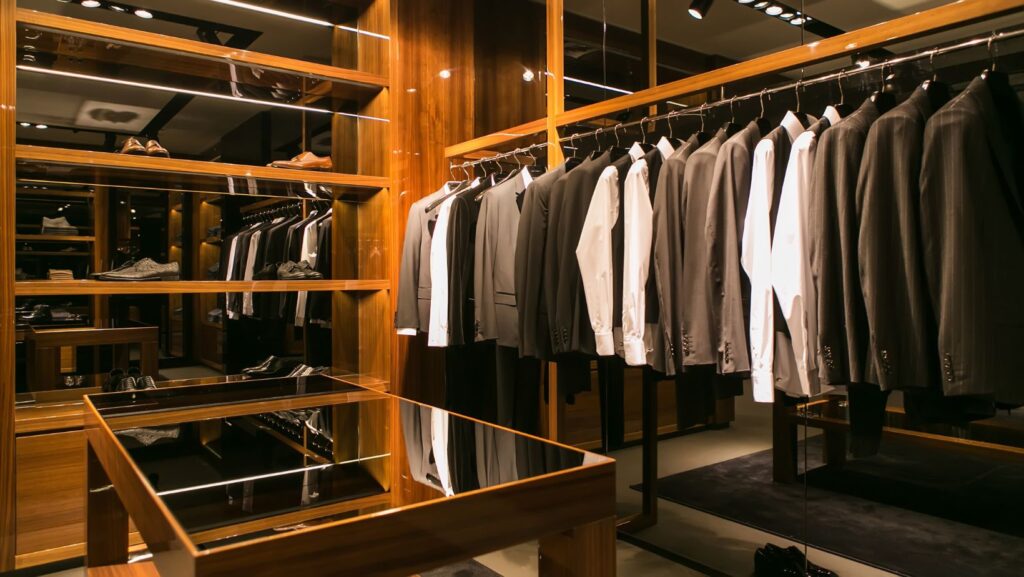
Professional: Focuses on polished and sophisticated attire. Common items include blazers, tailored pants, and dress shoes. This type conveys authority and confidence, suitable for business environments.
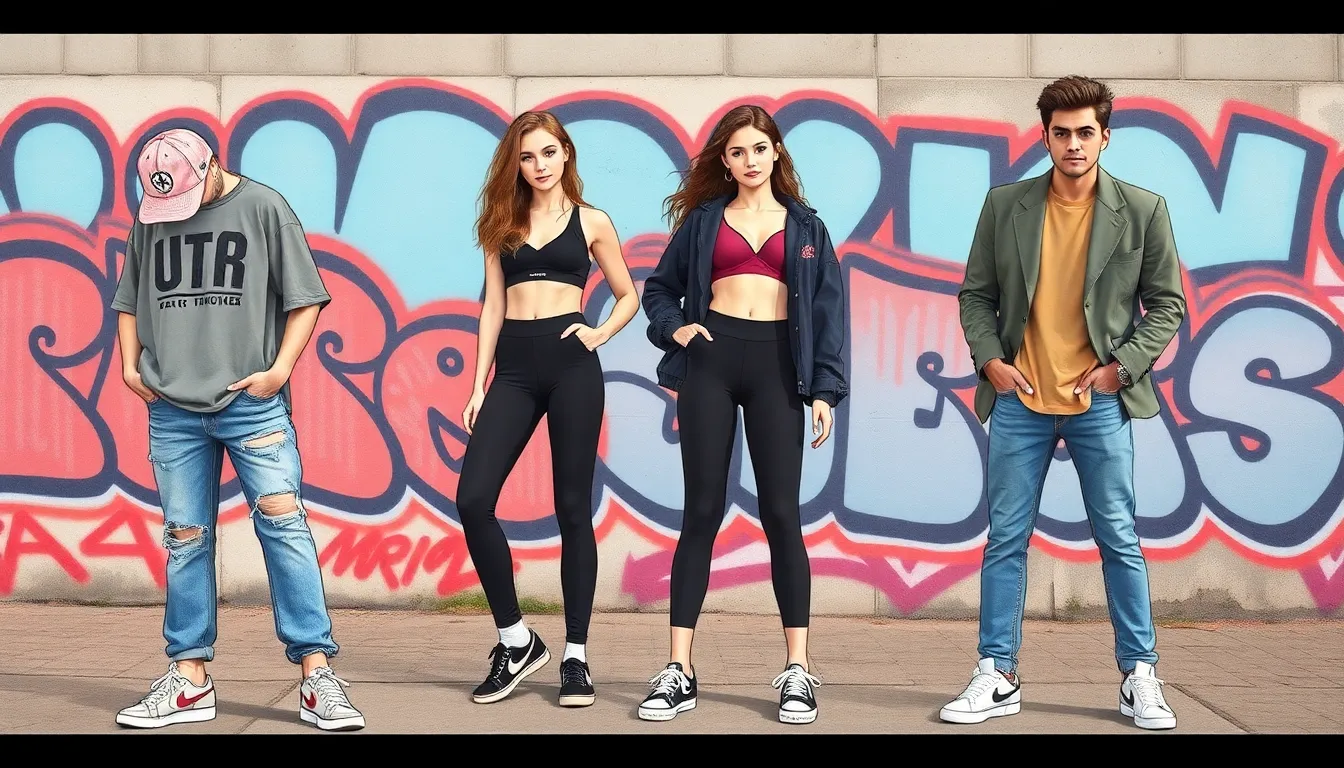
Streetwear: Blends urban culture with high fashion. Characterized by oversized silhouettes and statement sneakers, streetwear reflects modern trends and youthful rebellion. This style captivates the fashion-forward individual.
Athleisure: Merges athletic wear with leisure apparel. Items such as leggings, sports bras, and hoodies dominate this category, allowing for versatility. Athleisure offers comfort without sacrificing style.
Vintage: Celebrates past fashion eras. It involves wearing clothing from earlier decades, incorporating elements like retro prints and classic cuts. Vintage fashion preserves history while creating unique looks.
Each fashion type allows individuals to express their personality and preferences. By understanding these categories, one appreciates the richness of style as a form of self-expression. Choices in fashion ultimately shape how individuals present themselves to the world, making each style significant.
Casual Fashion
Casual fashion focuses on comfort without sacrificing style. This style utilizes everyday clothing, making it accessible and versatile.
Street Style
Street style embodies urban culture, often influenced by music and art. It features eclectic combinations, from oversized tees to tailored jackets. Accessories play a key role; sneakers, caps, and statement bags enhance the look. Customization is common, where individuals personalize their outfits for authenticity. This expression showcases unique tastes and breaks conventional fashion rules. Street style resonates with youth culture, fostering creativity through relaxed ensembles.
Athleisure
Athleisure merges athletic wear with casual comfort, creating outfits suitable for both workouts and everyday activities. Imported from the sports sphere, pieces like leggings, joggers, and stylish sports bras dominate this fashion type. Versatility is crucial; these garments transition effortlessly from the gym to social settings. Manufacturers emphasize functionality alongside aesthetics, appealing to active lifestyles. Celebrities often influence trends within this category, making athleisure a staple in contemporary wardrobes.
Formal Fashion
Formal fashion encompasses styles suited for specific events or settings, particularly in business and social environments. Each subcategory of formal fashion plays a distinct role in personal and professional expression.
Business Attire
Business attire includes clothing designed for professional settings, such as offices and meetings. Suits, blazers, dress shirts, and tailored trousers often form the foundation of this style. Designs exhibit a polished look, reflecting authority and competence. Men frequently opt for dark suits paired with ties, while women may choose tailored dresses or skirts with blouses. Accessories, like dress shoes and belts, enhance the overall appearance. Maintaining a neutral color palette, such as black, navy, or gray, allows versatility and ease of combining pieces.
Cocktail Wear
Cocktail wear represents a stylish choice for semi-formal social events, like parties or receptions. Cocktail dresses for women often feature knee-length cuts and elegant designs, while men typically wear dress shirts with tailored trousers and blazers. Fabrics such as silk and chiffon offer sophistication, often adorned with subtle embellishments. Footwear, like heels for women and loafers for men, adds to the polished look. Bold colors or patterns can express individuality within the boundaries of formality, allowing attendees to showcase personal style while adhering to the occasion’s expectations.
Trendy Fashion
Trendy fashion encompasses ever-evolving styles that reflect current cultural phenomena and social influences.
Fast Fashion
Fast fashion delivers quick access to the latest trends at affordable prices. Retailers like Zara and H&M specialize in swiftly moving designs from the runway to stores. This approach allows consumers to purchase trendy items frequently without breaking their budgets. Environmental concerns often arise in discussions about fast fashion, as rapid production contributes to waste and pollution. Sustainable practices are increasingly vital, prompting some brands to adopt eco-friendly initiatives to mitigate negative impacts. Seasonal collections continue to shift, pushing brands to keep pace with consumer demand and shifting preferences.
High Fashion
High fashion represents the pinnacle of style, showcasing luxury and exclusivity. Designers like Chanel and Louis Vuitton dominate this sector with exquisite craftsmanship and innovative designs. Couture collections often debut at renowned events like Paris Fashion Week, drawing attention from global audiences. Limited availability underlines the exclusivity of these pieces, enticing fashion aficionados to invest substantially. Handcrafted techniques and high-quality materials characterize these garments, creating lasting pieces that stand the test of time. The narrative created by high fashion transcends simple clothing, embodying art, prestige, and cultural commentary.
Cultural Fashion
Cultural fashion reflects the identity and heritage of various communities. It showcases how clothing can symbolize history, tradition, and beliefs.
Traditional Outfits
Traditional outfits signify the rich heritage of different cultures. Each region has distinct garments, such as kimonos from Japan, saris from India, and kilts from Scotland. These outfits often showcase intricate designs, vibrant colors, and unique materials. Their significance extends beyond aesthetics, as they play essential roles in cultural ceremonies, festivals, and family gatherings. Communities use these traditional garments to express pride in their roots, connecting generations through shared history and visual storytelling.
Global Influences
Global influences shape cultural fashion by merging diverse styles and trends. Fashion enthusiasts often blend elements from various cultures, creating unique, hybrid looks. The globalization of fashion promotes cross-cultural exchanges, allowing traditional motifs to inspire contemporary designs. Designers frequently draw upon global aesthetics, incorporating prints, fabrics, and silhouettes that resonate across borders. This exchange not only celebrates cultural diversity but also fosters a deeper understanding of global fashion contexts, encouraging inclusivity and appreciation for different styles.
Conclusion
Fashion serves as a powerful medium for self-expression and identity. By exploring various styles individuals can discover what resonates with their unique personalities. Each fashion type offers a distinct way to communicate one’s values and preferences.
From the laid-back comfort of casual wear to the elegance of formal attire every choice reflects a deeper narrative. Embracing different styles encourages creativity and allows for personal growth within the ever-changing landscape of fashion.
As trends evolve and cultural influences intertwine the future of fashion promises even more opportunities for individuals to express themselves authentically. Ultimately fashion is not just about clothing; it’s about telling a story that is uniquely one’s own.