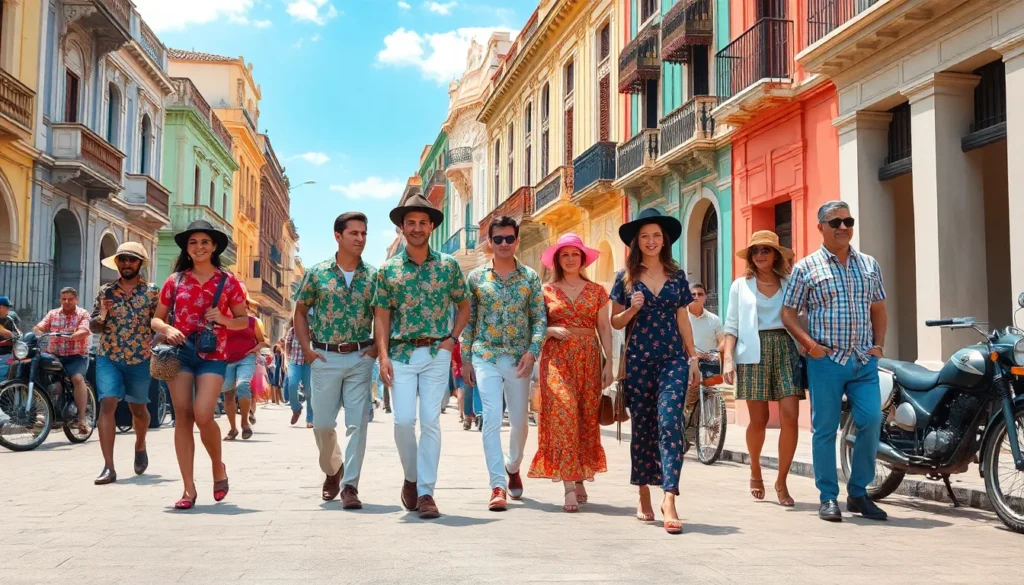
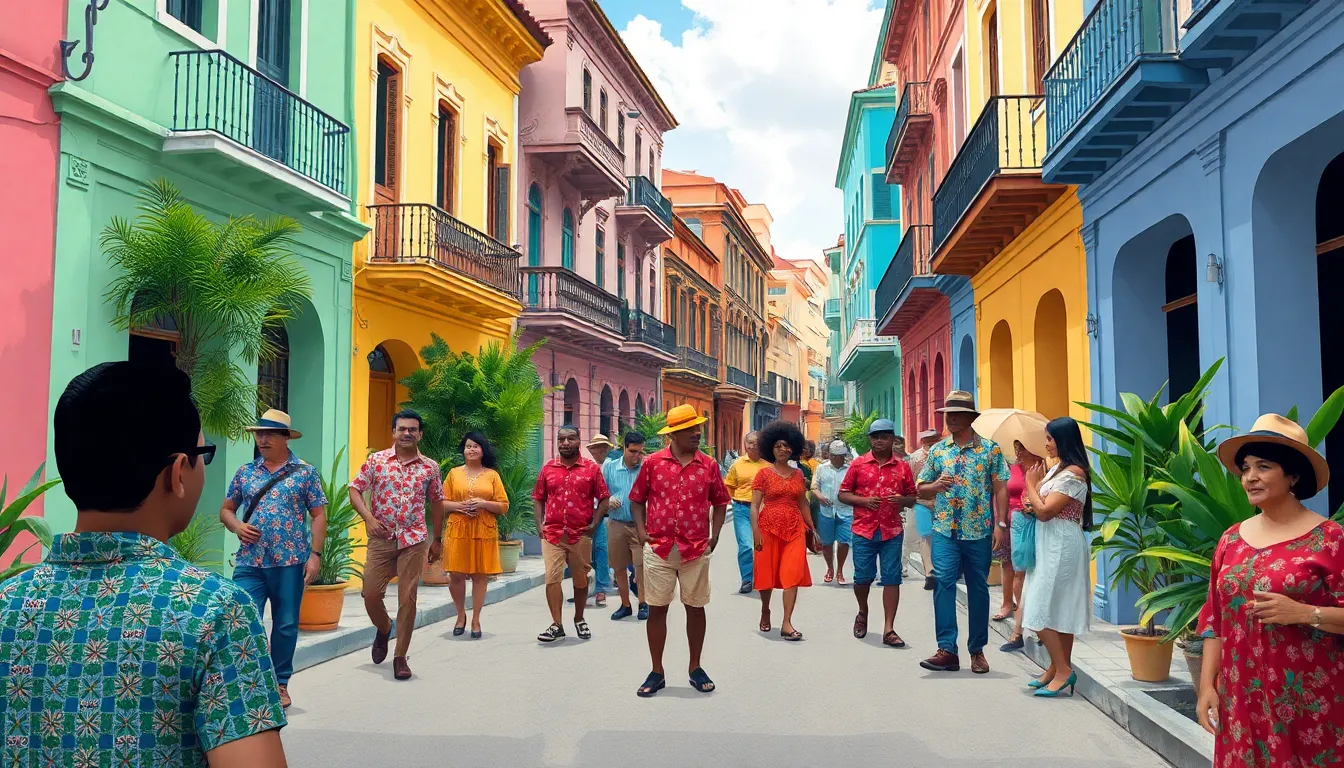
Cuban fashion is like a vibrant salsa dance—full of rhythm, color, and a flair that’s impossible to ignore. Imagine strutting down the streets of Havana, where every outfit tells a story and every fabric has a personality. From the classic guayabera to the bold, eclectic styles that celebrate the island’s rich cultural tapestry, Cuban fashion is a delightful mix of tradition and modernity.
But it’s not just about looking good; it’s about feeling good too. With influences from African, Spanish, and indigenous cultures, Cuban attire reflects a spirit of resilience and joy. So whether you’re planning a trip to Cuba or just want to spice up your wardrobe, understanding this unique fashion scene will have you saying “¡Olé!” in no time. Get ready to dive into the world of Cuban fashion, where style meets soul in the most fabulous way possible.
Cuban Fashion
Cuban fashion embodies a rich tapestry of history, culture, and creativity. The streets of Havana brim with garments that reflect the island’s vibrant heritage and contemporary influences. Traditional pieces, like the guayabera, reveal both cultural significance and practicality in the tropical climate. Echoing elements from African, Spanish, and Indigenous roots, designs exude a sense of identity.
Eclectic styles dominate the fashion scene, showcasing bold colors and intricate patterns. Influencers and designers often draw inspiration from the artistic movements surrounding them, merging vintage aesthetics with modern flair. Handmade accessories add a personal touch, emphasizing local craftsmanship and sustainability.
Cuban fashion serves as a canvas for self-expression, with each outfit symbolizing personal stories and community ties. Fashion shows and local markets highlight emerging talents, sparking interest in sustainable and ethical practices. Street style captures the essence of everyday life, where creativity thrives amidst economic challenges.
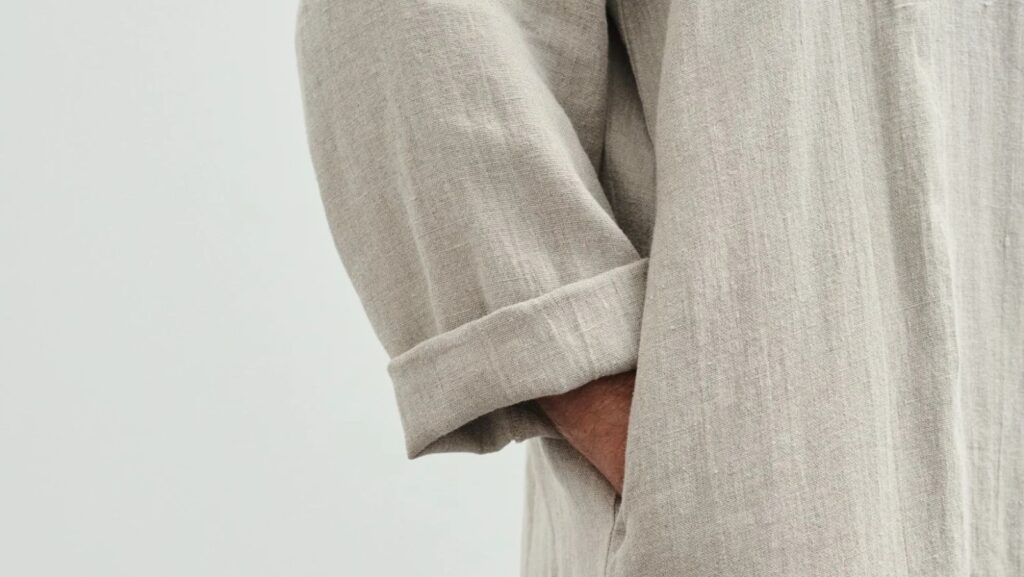
Historical references frequently appear in contemporary designs, blending the old with the new seamlessly. Fabrics like linen and cotton remain popular, offering breathability and comfort that align perfectly with Cuba’s climate. The influence of music and dance also transfers into clothing choices, inspiring dynamic silhouettes that mirror rhythmic movements.
Through vibrant textiles and innovative designs, Cuban fashion reflects resilience and joy in the face of adversity. Travelers and fashion enthusiasts alike find inspiration in the fusion of tradition and modernity that characterizes this unique fashion landscape.
Historical Influences on Cuban Fashion
Cuban fashion reflects a rich historical tapestry, shaped by diverse cultural influences over time.
Colonial Era
The colonial period significantly impacted Cuban attire, introducing European styles and fabrics. Spanish colonizers brought elaborate garments like lace and embroidered fabrics, influencing local dress. Traditional garments like the guayabera emerged during this era, blending practicality with elegance suitable for the tropical climate. African slaves contributed vibrant textiles and patterns, enriching the visual language of Cuban fashion. The fusion of these diverse elements created a distinct fashion identity, celebrating both cultural heritage and the social status of its wearers.
Post-Revolutionary Changes
The Cuban Revolution of 1959 marked a pivotal shift in fashion. After the revolution, the government promoted local fashion as a symbol of national identity and pride. Vintage styles mixed with revolutionary ideals led to a rise in handmade clothing and sustainable practices. Designers took inspiration from socialist principles, focusing on functionality over ostentation. Local artisans thrived, revitalizing craft traditions while adapting to contemporary tastes. This era emphasized a collective identity, using fashion as a means of expression and solidarity among the Cuban people.
Contemporary Cuban Fashion Scene
Cuban fashion thrives through innovation and creativity, reflecting its rich cultural backdrop. Designers harness traditional techniques while infusing modern elements to create unique collections.
Key Designers
Prominent Cuban designers shape the landscape with their distinct styles. Isabel Toledo is celebrated for her elegant lines and use of vibrant colors. Adolfo Dominguez showcases sustainable fashion by combining organic materials with contemporary design. Also notable, Ernesto Almeida blends urban aesthetics with traditional craftsmanship, attracting attention from international markets. Each designer contributes to a collective identity, celebrating Cuba’s multifaceted heritage and contemporary influences.
Fashion Events and Shows
Cuban fashion events highlight creativity and community. Each year, Havana hosts the Cuban Fashion Week, drawing emerging designers and fashion enthusiasts. Showcases often feature local talent, blending traditional designs with innovative concepts. Markets like Feria de Diseño offer local artisans a platform, promoting their work and sustainable practices. Attendees experience vibrant displays that emphasize Cuba’s artistic spirit, making these events crucial for the development of the fashion scene.
Traditional Cuban Attire
Traditional Cuban attire showcases a vibrant and historical essence, reflecting the island’s rich cultural heritage. Various garments represent the spirit and lifestyle of Cubans, embodying warmth and comfort suitable for the tropical climate.
Guayabera and Its Significance
The guayabera stands as a symbol of Cuban culture, recognized for its lightweight fabric and intricate embroidery. Men often don this shirt during formal and casual occasions alike, showcasing its versatility. Originally designed for practicality, it features four pockets for convenience. This unique garment represents social status and pride, often associated with celebrations and family gatherings. The guayabera also reflects the fusion of Spanish and indigenous influences, making it a timeless piece in Cuban fashion history.
Women’s Traditional Wear
Cuban women traditionally wear a variety of dresses that highlight the island’s colorful aesthetics. The “traje de gala,” a formal dress often adorned with floral patterns, serves as a staple for special events. Bright colors dominate these garments, capturing the vibrance of Cuba’s landscape. Additionally, the “mujer de campo” dress embodies practicality and comfort, featuring simple lines and lightweight materials. Accessories like wide-brimmed hats or handmade jewelry often accompany these outfits, emphasizing local craftsmanship. Each piece not only celebrates femininity but also conveys cultural narratives passed through generations.
Fusion of Styles
Cuban fashion showcases a captivating fusion of styles, reflecting the island’s rich cultural tapestry.
Afro-Cuban Influences
Afro-Cuban heritage plays a vital role in shaping contemporary fashion. Vibrant textiles and bold colors celebrate African roots, infusing traditional patterns into modern designs. Designers often incorporate African motifs, creating garments that resonate with cultural pride. This blending results in distinctive pieces that speak to the history and experiences of Afro-Cubans. Music and dance also influence styles, with flowing silhouettes capturing movement and rhythm. The rhythmic pulse of Afro-Cuban culture is evident in the dynamic cuts and playful details of everyday outfits. Celebrations like Carnaval further showcase these influences, highlighting traditional wear that blends seamlessly with modern interpretations.
Global Trends in Cuba
Cuban fashion increasingly adopts global trends while maintaining local authenticity. International designers find inspiration in Havana’s vibrant streets, creating collaborations that merge styles. Social media plays a key role in exposing Cuban designers to a broader audience, allowing their work to gain recognition. Streetwear trends mix with traditional garments, resulting in a fresh aesthetic that attracts young fashion enthusiasts. Local boutiques curate collections that reflect both global fashion movements and Cuban heritage, fostering a unique shopping experience. International fashion events, like the Havana Biennial, further bridge connections with the global fashion scene. Accessibility to diverse fabrics and techniques continues to shape Cuba’s evolving style landscape, reinforcing the island’s dynamic cultural dialogue.
Conclusion
Cuban fashion stands as a vibrant testament to the island’s rich cultural heritage and creative spirit. Its unique blend of historical influences and contemporary innovation creates a dynamic landscape that captivates both locals and visitors. The emphasis on sustainability and craftsmanship not only highlights the artistic talents of Cuban designers but also fosters a sense of community and identity.
As the global fashion scene continues to evolve, Cuba’s distinct style remains a source of inspiration. The colorful garments and bold patterns reflect a joyful resilience that resonates deeply with those who experience it. Embracing Cuban fashion means celebrating a culture that thrives on creativity, tradition, and the stories woven into every piece.